Stainless Steel Cookware for Better Browning and Everyday Cooking

Stainless steel cookware gives home cooks a durable, uncoated cooking surface for golden chicken, seared steaks, and flavorful pan sauces. It suits anyone willing to learn heat control and use cooking fat. Compare construction, useful sizes, and care requirements to find a cookware set that fits your kitchen.

Why Choose Stainless Steel Cookware?

Choose stainless steel for durability and cooking versatility. An uncoated stainless steel pan has no nonstick coating to wear away, and browning leaves flavorful fond you can loosen with stock or wine for a pan sauce.

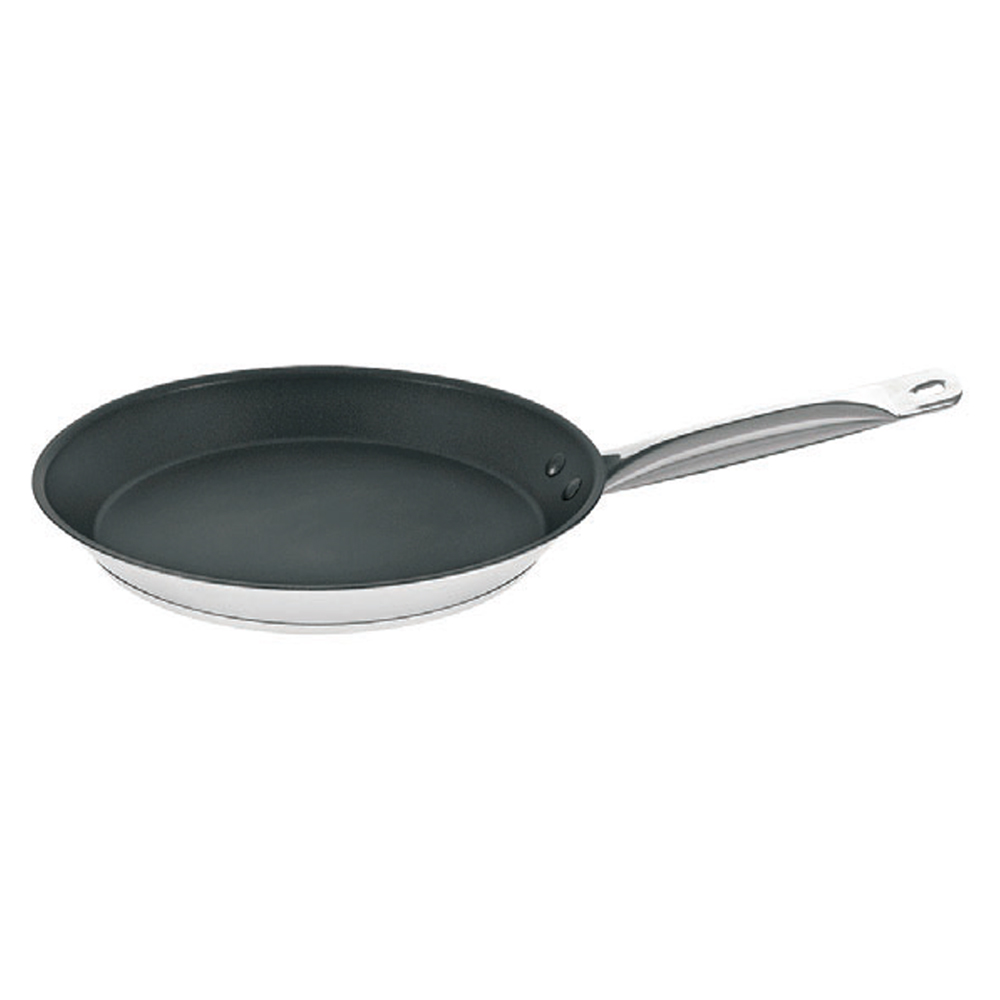
Use a stainless steel skillet to sear meat or brown mushrooms. Stainless steel requires more technique than coated nonstick cookware: manage heat, add suitable fat, and give food time to release. Keeping a nonstick frying pan for delicate eggs can complement your cookware collection.

Stainless Steel Cookware for Everyday Cooking

Explore stainless steel pots, pans, and cookware sets for searing, simmering, and everyday meals. Find the pieces that fit your kitchen and cooking style.

Is Stainless Steel Cookware Compatible with Induction?

Yes, when stainless steel cookware has a suitable magnetic base and the manufacturer confirms compatibility. All four linked options are specified for induction; their manufacturers also confirm gas and electric use.

“Oven safe” needs a model-specific limit. Cookware, handles, and lids can have different limits, especially with glass lids. Check the exact set’s instructions before moving a pan from stovetop to oven.

How Do You Reduce Sticking in a Stainless Steel Pan?

Preheat moderately, add oil suited to the cooking temperature, and dry food before adding it. Avoid overcrowding; let browned food release before turning.

Stainless steel is not inherently nonstick. Follow manufacturer guidance and avoid prolonged empty heating. A water-droplet test is not a universal temperature rule.

Fully Clad Cookware: 3-Ply or 5-Ply?

Fully clad stainless steel combines layers of metal through the base and sidewalls. Stainless steel supplies the cooking surface and strength; conductive materials such as aluminum improve heat conduction and heat distribution.

Typical 3-ply stainless steel sandwiches an aluminum core between layers of stainless steel. A 5-ply stainless steel design adds layers, but five does not automatically outperform three. Core thickness, overall thickness, pan shape, and burner fit matter.

A bonded disc base concentrates conductive material beneath the pot rather than throughout its walls. It can suit boiling and simmering; performance depends on disc coverage and construction. It does not inevitably scorch food. For either design, balance even heat with weight and comfortable handling.


How Do You Clean Stainless Steel Pots and Pans?

Let stainless steel pots and pans cool before washing. Use warm soapy water and a soft sponge, then rinse and dry. Soak stubborn residue; use a manufacturer-approved cleaner or discoloration treatment.

Made In prefers handwashing; Cuisinart and Tramontina list the compared products as dishwasher-safe. Follow each model’s care instructions.

Which Pots and Pans Do You Actually Need?

Start with the pieces you use most, then choose a complete set if the remaining pans earn their storage space.

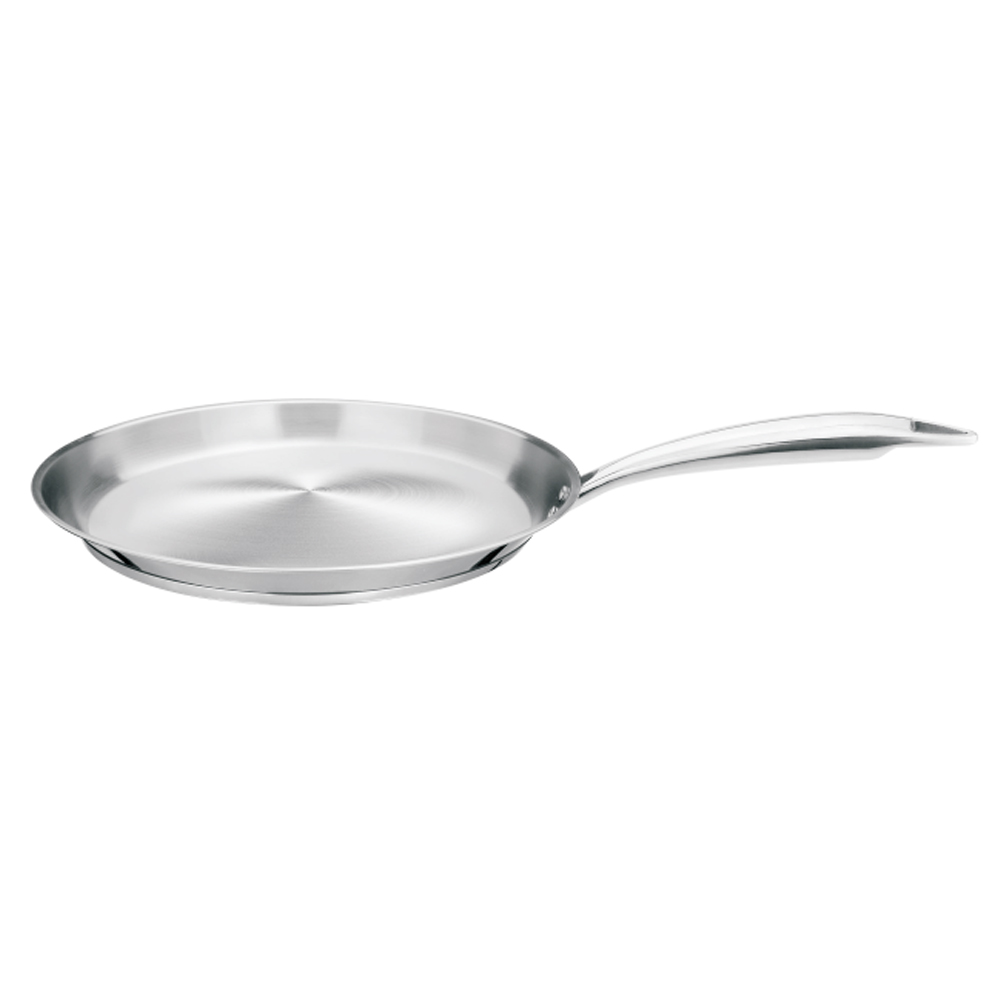
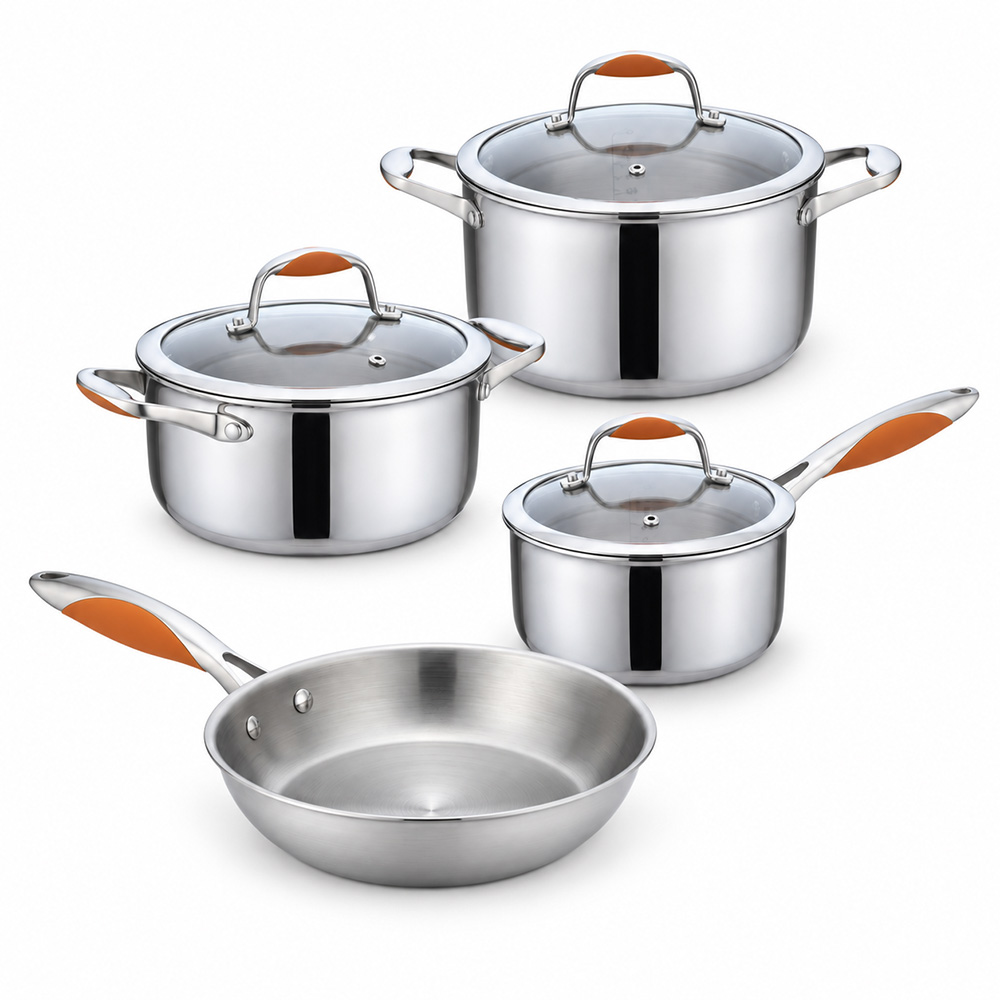
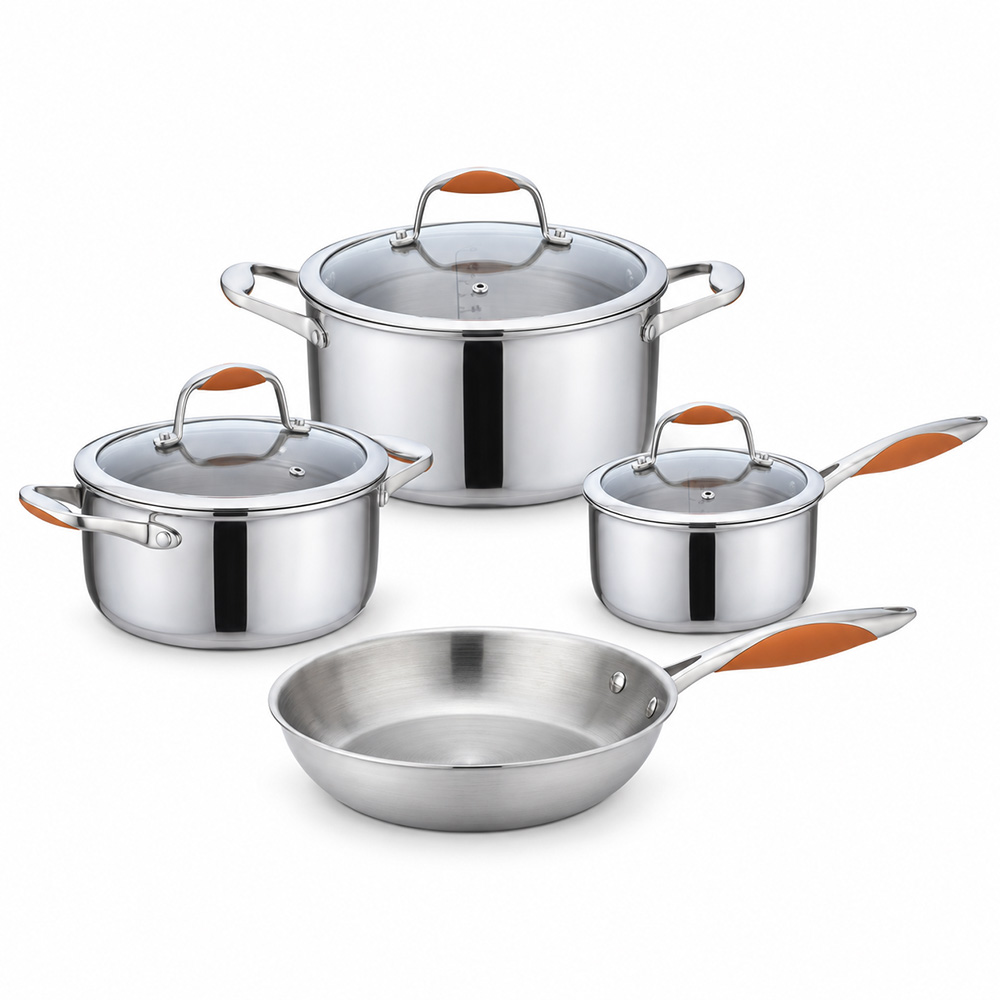
  • Fry pan or skillet: brown meat and vegetables; compare the verified 10- and 10.5-inch options above with your usual portions.
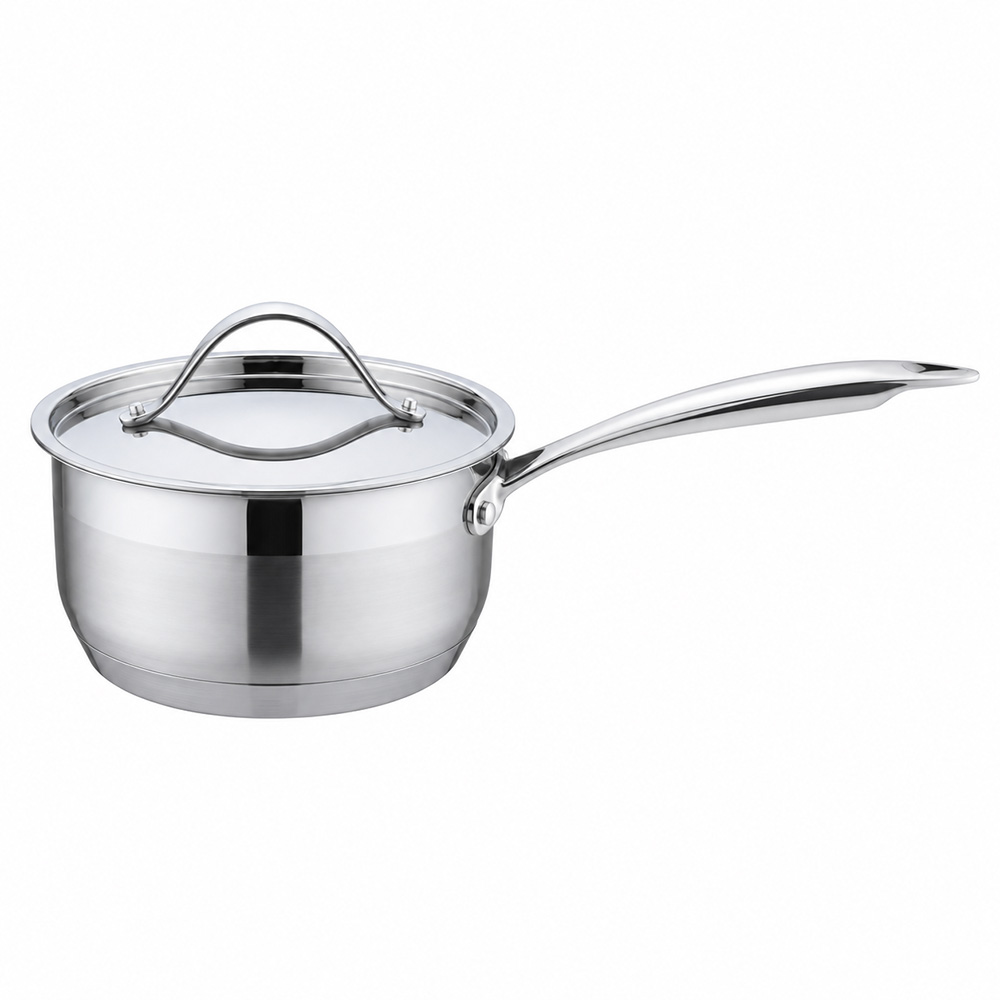
  • Saucepan: cook grains, reheat soup, or simmer sauce.
  • Sauté pan with lid: cook saucy meals in a wide pan with taller sides.
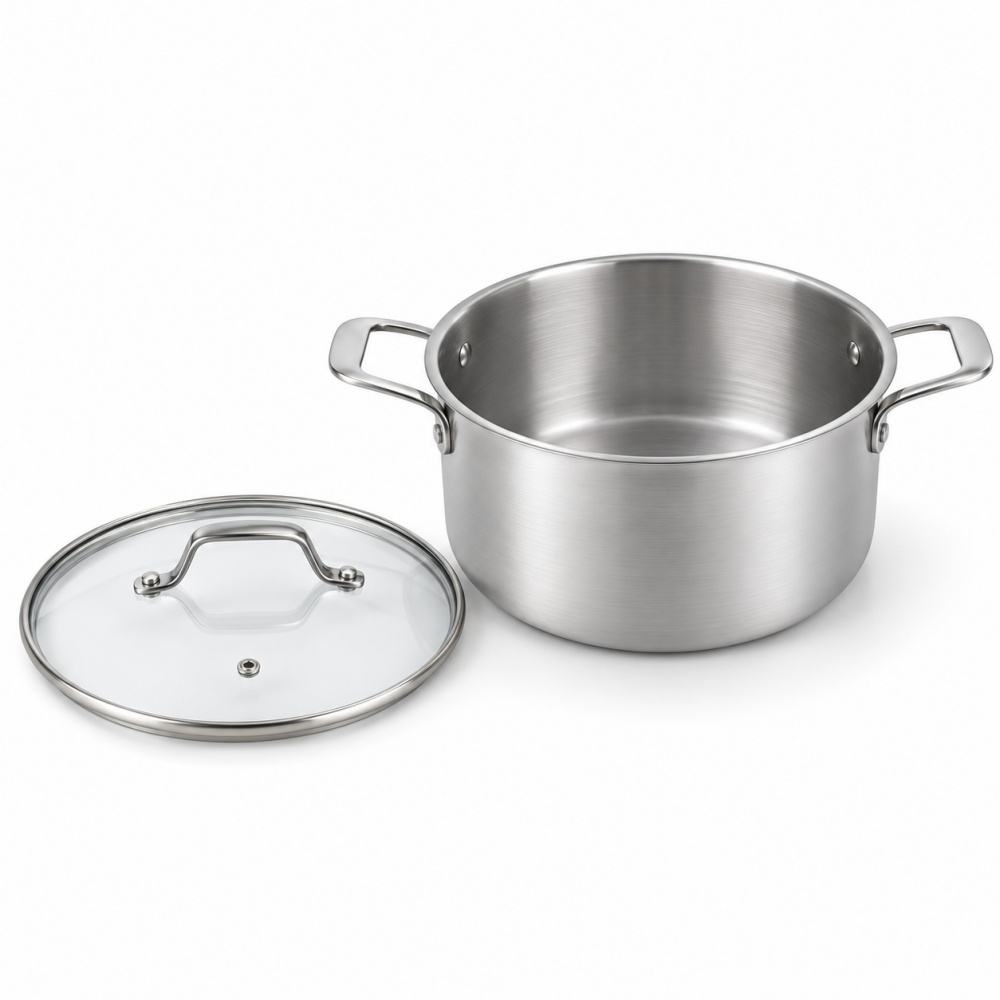
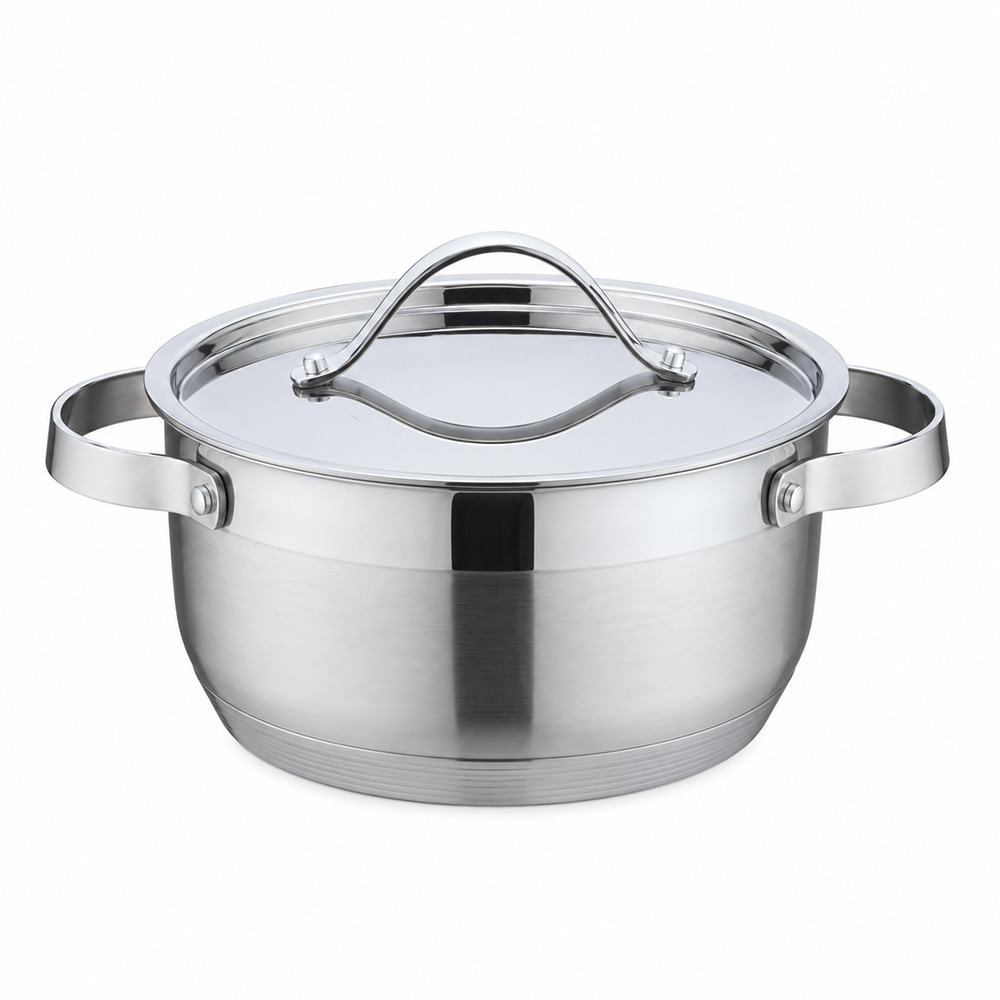
  • Stockpot: boil pasta or prepare soup in batches.

Advertised piece counts may include each lid and accessories. Compare useful vessels, storage needs, and current total cost against buying individual pieces.

Stainless Steel Cookware FAQs

Compare stainless steel cookware sets and individual pans. Explore construction, induction compatibility, and care to choose the right cookware for your kitchen.

Prioritize suitable construction, useful sizes, manageable weight, compatible burners, and clear care instructions.

An uncoated surface is not a guarantee of safety in every situation. Follow intended-use instructions; Health Canada advises avoiding nickel-containing cookware if you have a nickel allergy. Health Canada guidance

Buy a set to replace several regularly used pieces. Choose one skillet to fill a gap or learn stainless steel cooking.