Frying Pans: Everyday Fry Pans and Skillets

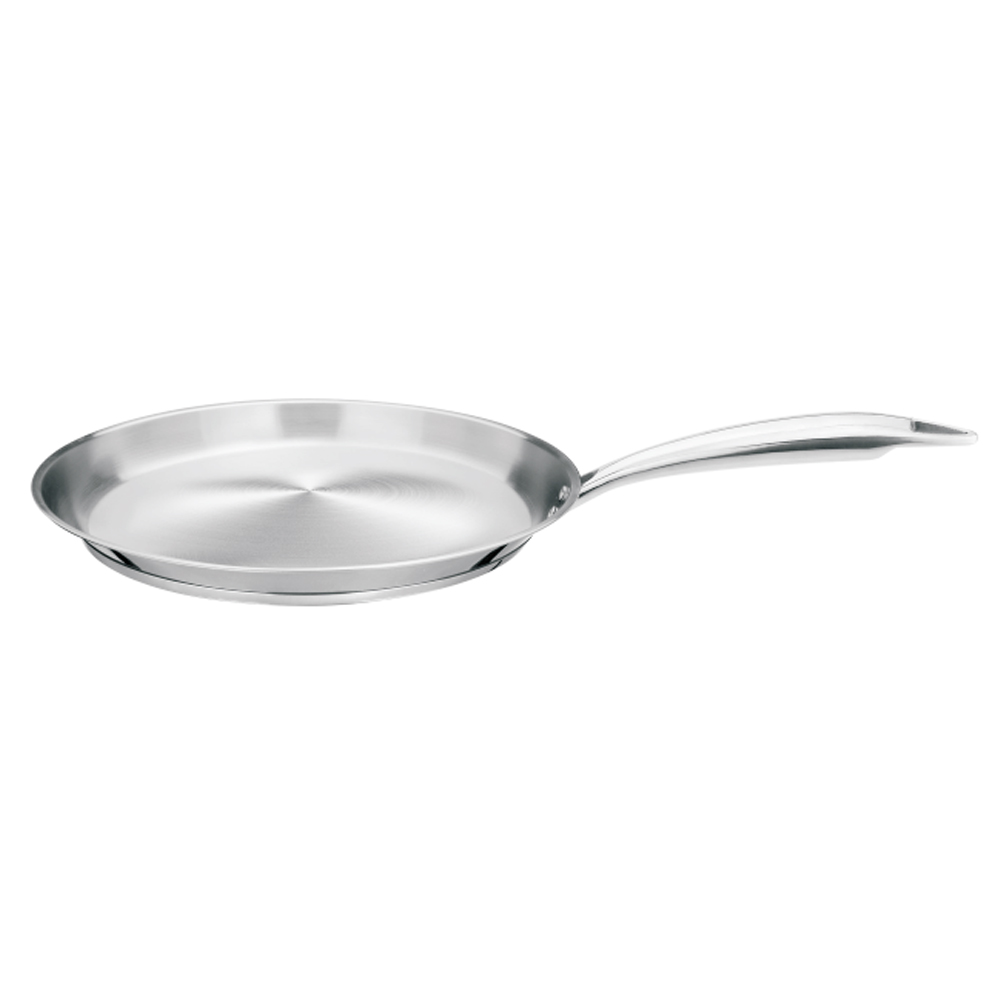
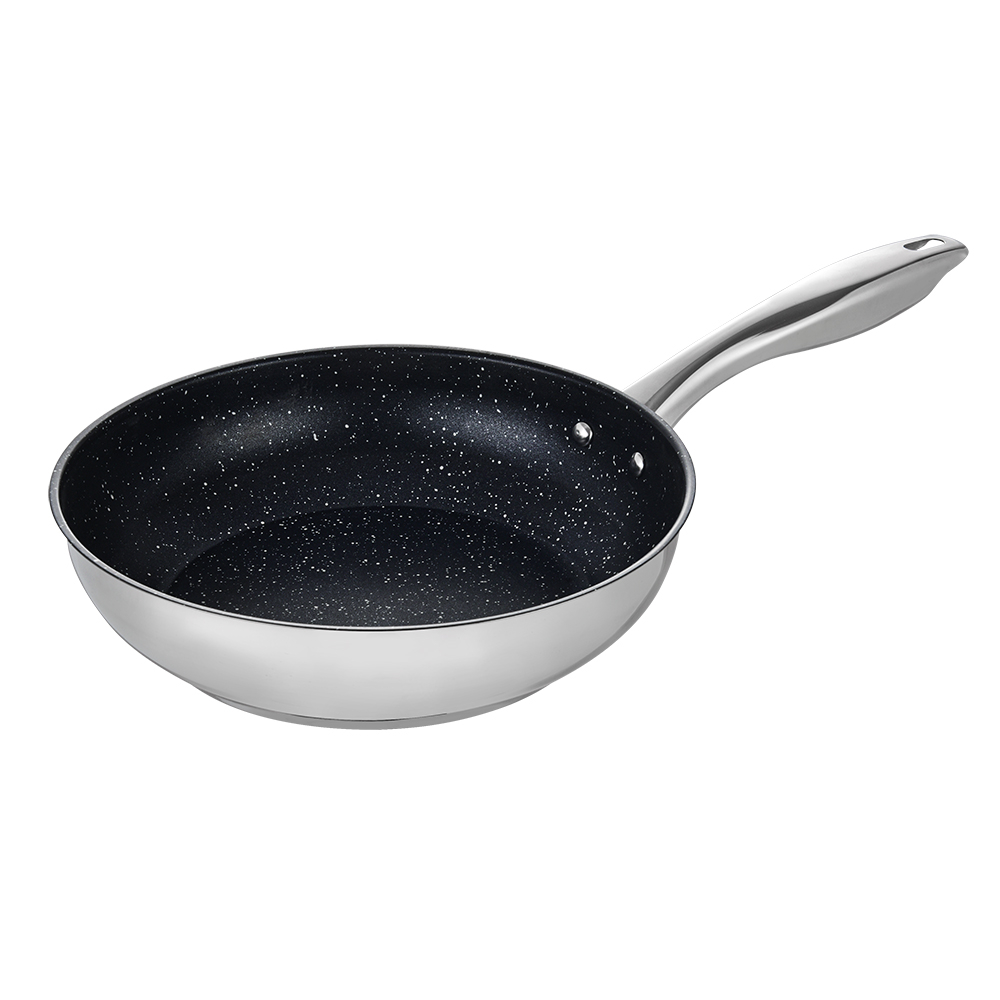
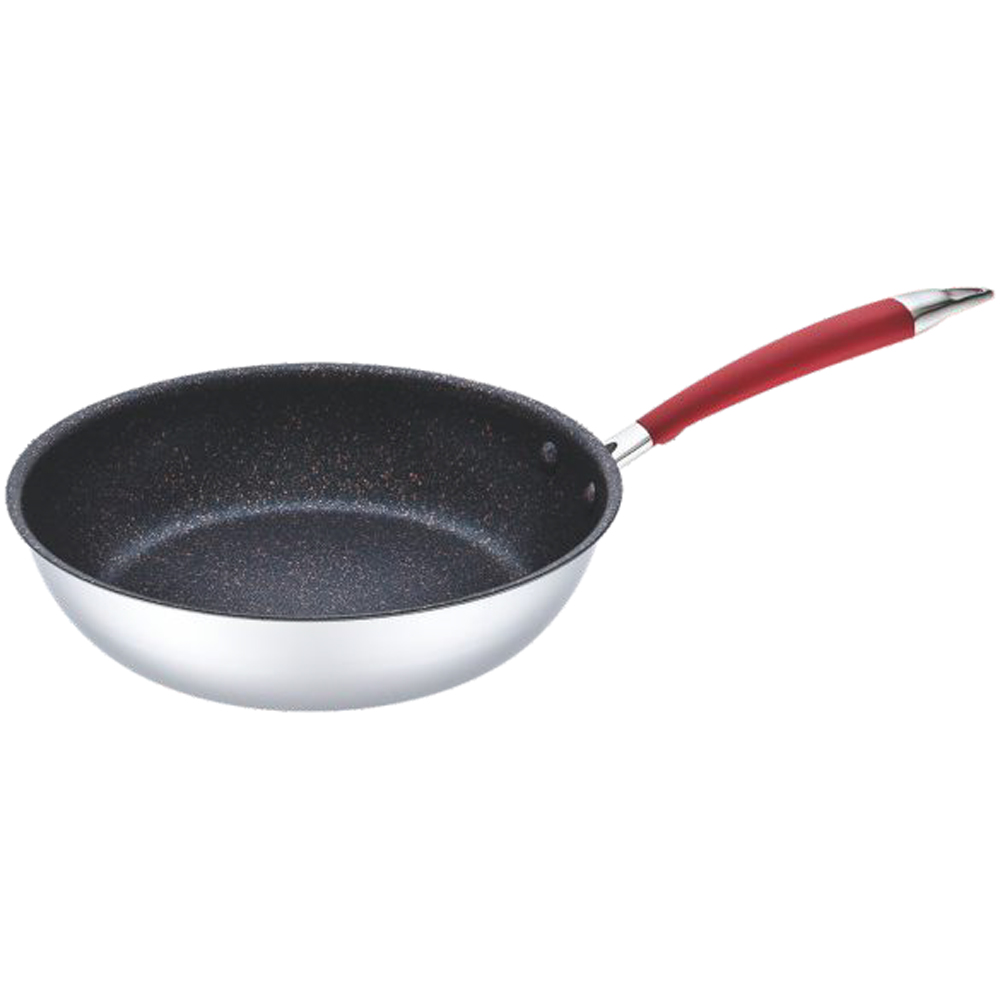
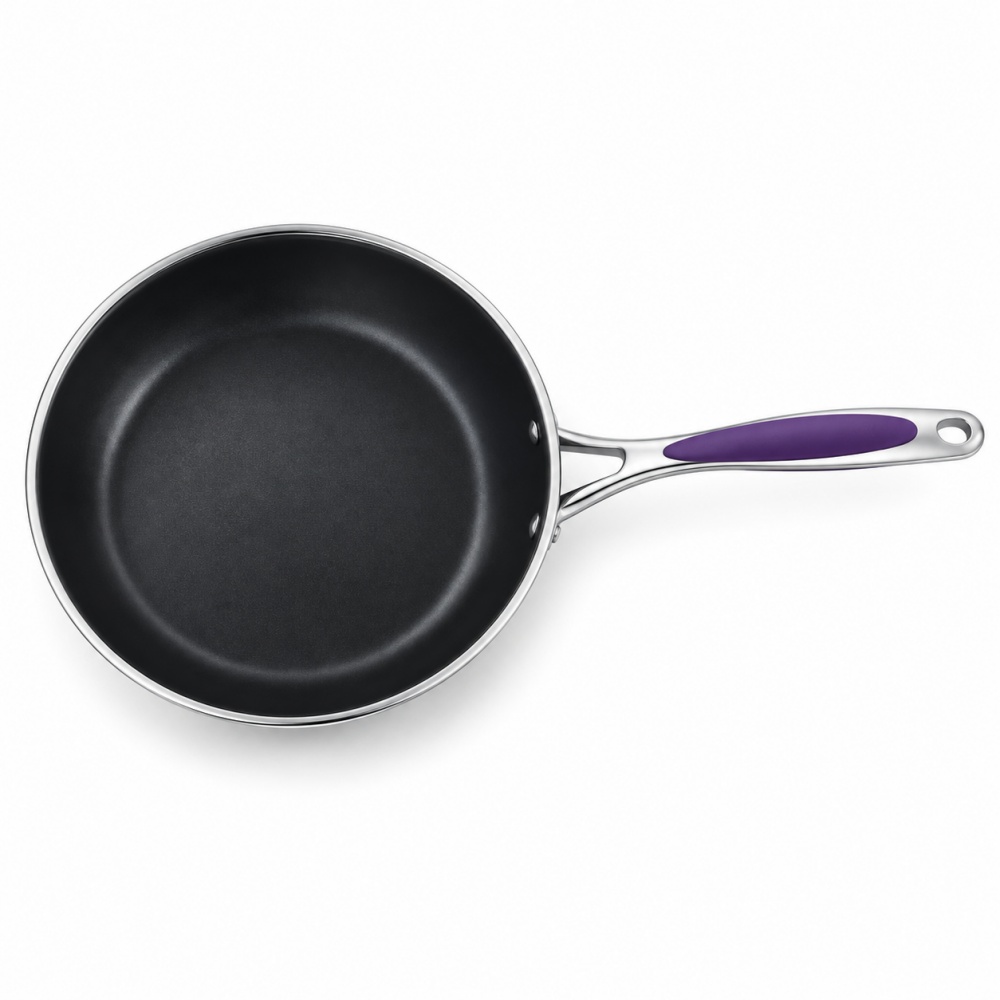
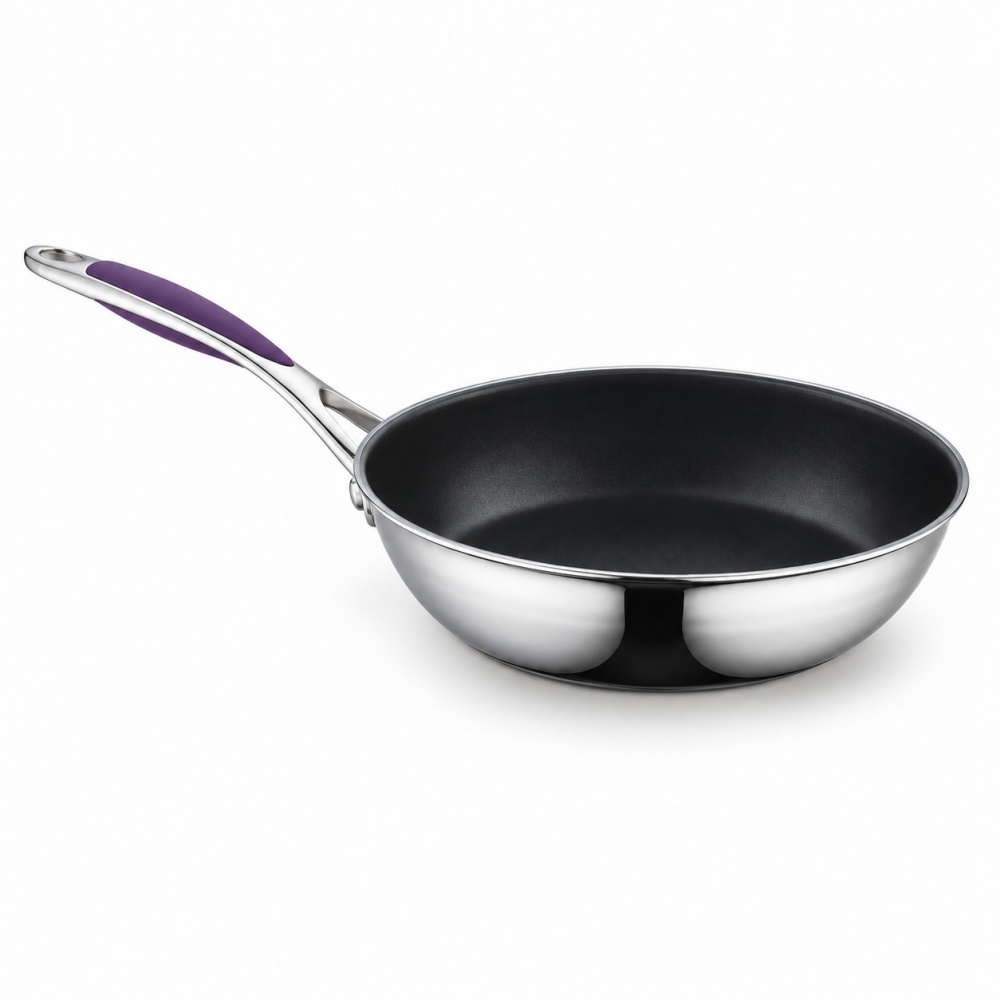
A frying pan, also called a skillet, is a shallow cooking vessel with a flat base, sloped sides, and a long handle. Use it to fry eggs, brown chicken, or turn vegetables for everyday meals. Its open shape lets moisture escape, while flared edges help with turning and tossing. Find the right fit for your kitchen.

Which Fry Pans Fit Your Cooking Style?

Choose around your regular meals, equipment, and care preferences. The best option for delicate breakfasts may differ from the one you want for a steak dinner.

  • For eggs and quick cleanup, consider coated surfaces.

  • For browned chicken and lemon sauces, consider stainless steel.

  • For hearty cooking and seasoning you maintain yourself, explore uncoated iron or steel.

For home cooks, a useful collection can start with one well-chosen piece. Think about what you cook most often before adding more cookware.

Wholesale Frying Pans & Specialty Cookware

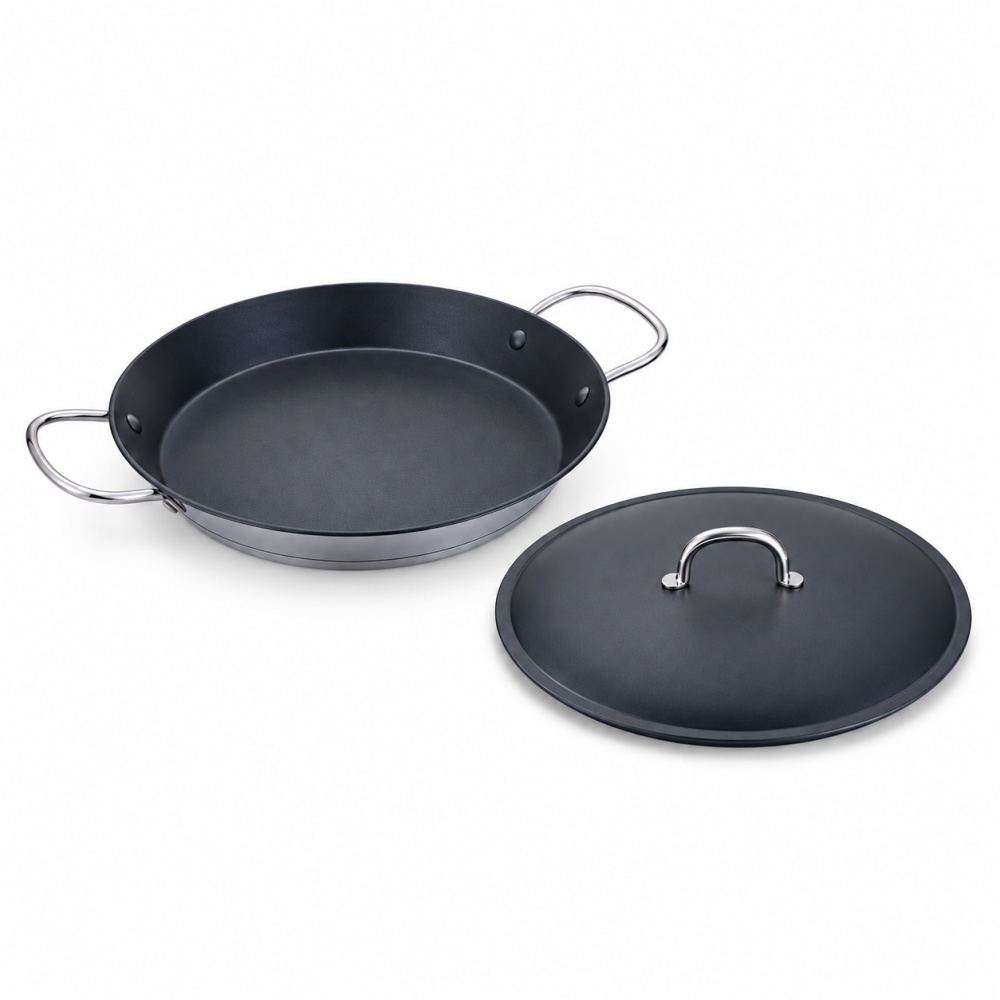
Explore frying pans, shallow seafood pans, egg poachers, and square pans for your wholesale assortment. Compare shapes, handle designs, and lid options to choose the right products for your customers.

Compare Nonstick, Stainless Steel and Cast Iron Skillets

Compare the cooking surface and the body separately. A nonstick coating sits over a metal base, often aluminum; it does not describe the entire construction.

Type Key benefit Suitable dishes Care or usage trade-off
PTFE nonstick Easy release with relatively little oil Eggs, pancakes, delicate fish Follow coating-specific temperature and utensil limits
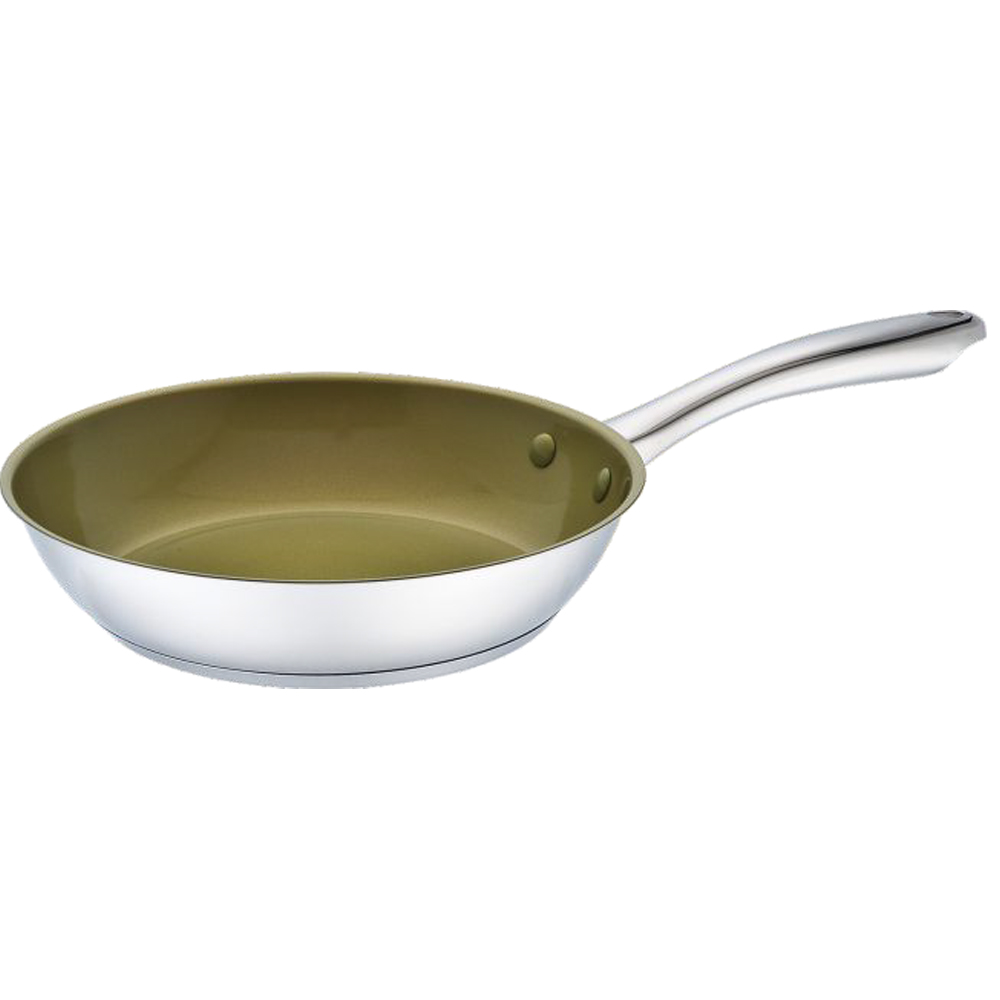
Ceramic nonstick Easy release from a ceramic coating Omelets, pancakes, fish Durability and care requirements vary by model
Stainless steel Browning and non-reactive cooking surface Chicken, mushrooms, acidic sauces Requires attention to temperature and sticking
Cast iron, uncoated Retains cooking energy well Steaks, potatoes, cornbread Often heavy; maintain seasoning and dry thoroughly
Carbon steel, uncoated Generally lighter than comparable iron Seared meat, vegetables Requires seasoning; thickness affects performance

Nonstick and Ceramic Nonstick for Everyday Cooking

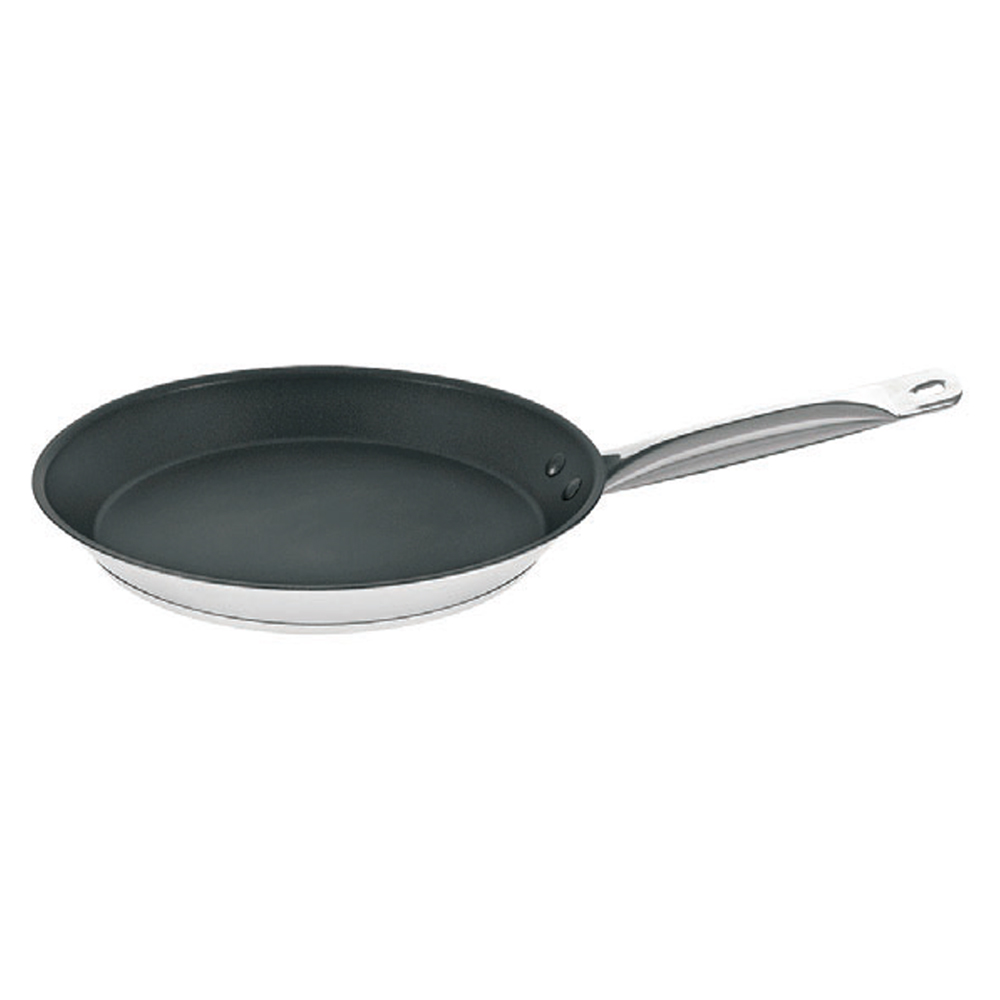
A nonstick frying surface helps eggs, pancakes, and delicate fish release without tearing. A nonstick pan can be especially convenient when you want easy turning with relatively little oil.

Compare PTFE with nonstick ceramic options by their stated instructions and your cooking habits. Neither label alone tells you how long the surface will last.

Check the recommended temperatures, permitted utensils, and cleaning method before buying. Follow the particular model’s directions, including any restrictions on empty preheating. Protecting the surface starts with using it as instructed.

Stainless Steel Fry Pans for Browning and Pan Sauces

Choose stainless steel frying surfaces when you want browning and a sauce built from the browned bits left behind. Add suitable liquid to deglaze, then stir those bits into your sauce. The non-reactive surface also suits acidic ingredients such as tomatoes or lemon.

Construction matters: aluminum or copper layers can help distribute heat more evenly than steel alone. Compare whether those layers extend through the body or sit in the base. Thickness, design, and burner fit affect performance; pans made with different constructions will not behave identically.

Do You Need a Pan with Lid or a Saute Pan?

Choose a cover for steaming or keeping moisture in. A saute pan typically has taller, straighter sides for containing liquids; sloped frying-pan sides make turning and tossing easier.

Diameter measures width, while quart capacity measures volume. Neither replaces checking the usable cooking area. Verify suitability for your cooktops and burner dimensions against the manufacturer’s specifications.

Cast Iron and Carbon Steel Skillets for Versatile Cooking

Both uncoated materials usually need seasoning: a bonded layer of oil that helps protect the surface and supports release. Wash as directed, dry promptly, and maintain that layer to manage moisture and rust.

A cast iron skillet suits potatoes, steaks, and other dishes where retained cooking energy is useful. Carbon steel generally weighs less than comparable iron, although a thick version may still feel substantial.

Use either to sear when appropriate. If you plan to bake cornbread or finish a recipe in the oven, check the complete product’s limits first.

Choosing an 8 Inch, 11 Inch or 12 Inch Pan

Treat this diameter range as a starting point, not a serving guarantee. Smaller options suit compact tasks; larger ones offer more room for batches. Check the usable flat cooking surface, since sloping sides reduce that area.

Choose a size that fits your burner, storage, and usual portions. A wide surface helps avoid crowding, but may feel awkward on a small stove. Test handle comfort and lifting control in person when possible, especially if you prefer something lightweight.

Buy an individual frypan for a specific gap, or a set when every included piece has a purpose.

Wholesale Frying Pans: Frequently Asked Questions

Find answers to common questions about pan styles, dimensions, lids, and cooktop compatibility. Use these details to compare products and prepare your wholesale purchasing requirements.

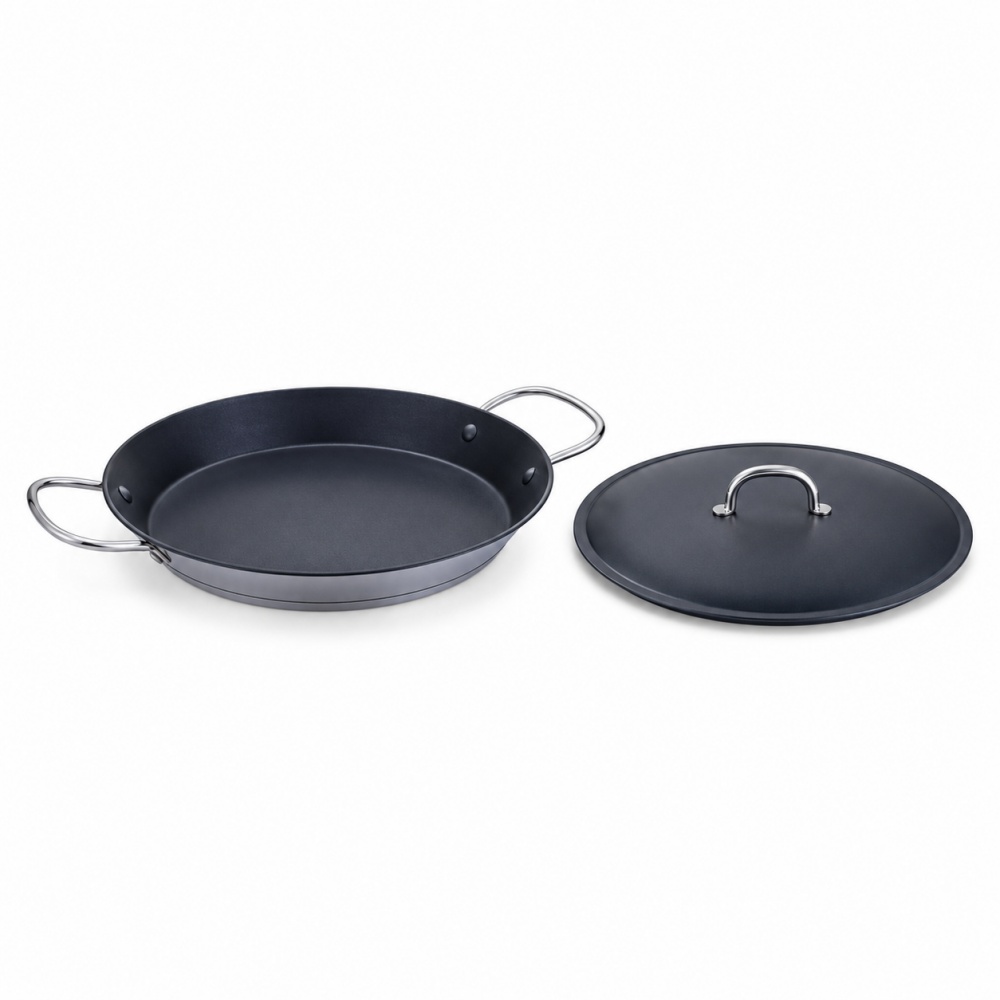
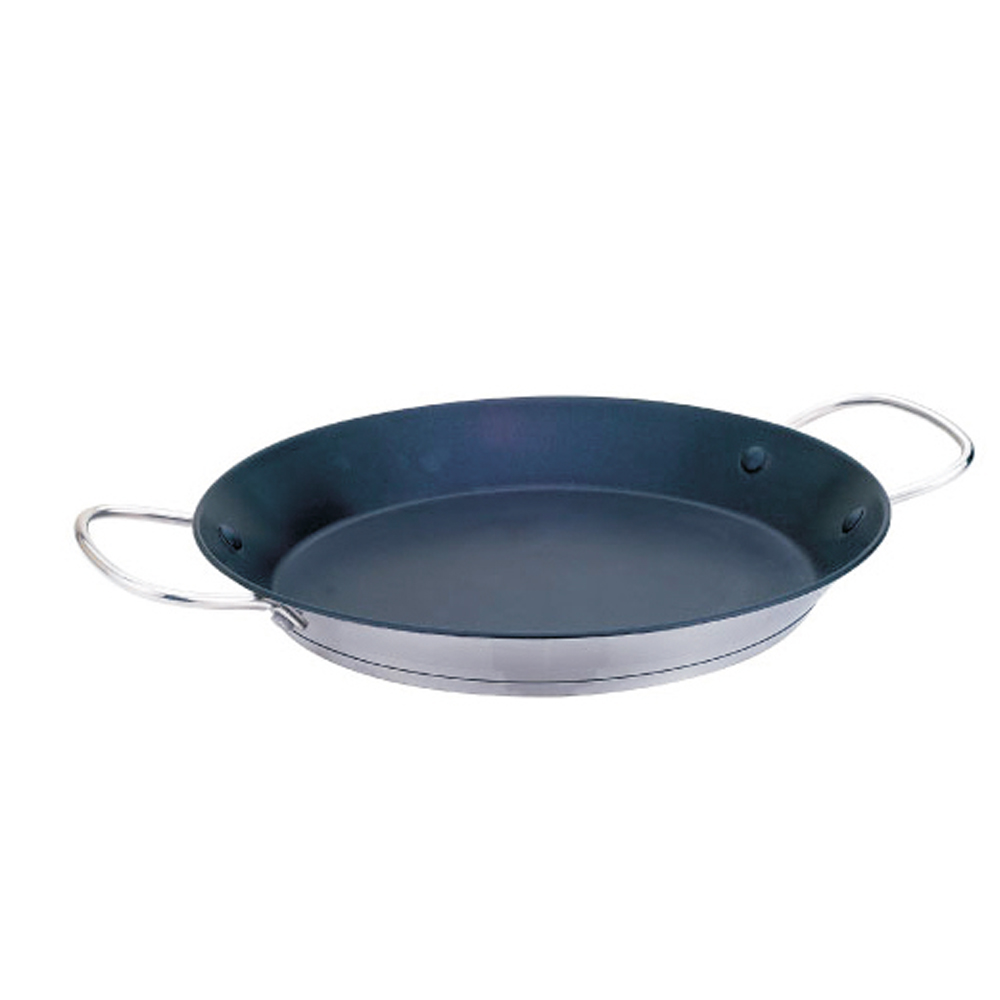
The collection features round frying pans, shallow seafood pans with two loop handles, square pans, and four-cup and six-cup egg poachers. These designs give buyers different options for building an assortment around their customers’ cooking needs.

Start with the dishes your customers prepare most often. Consider round pans for everyday frying, shallow seafood pans for seafood dishes, and egg poachers for poached eggs. Then compare dimensions, cooking surfaces, handle designs, and care requirements for each model.

Compare the overall diameter or width, flat cooking surface, depth, and handle length. Overall dimensions alone do not show how much usable cooking space a pan provides. For egg poachers, also check the cup count and individual cup dimensions.

Check each product listing to confirm whether a lid is included. Several products shown have lids, but inclusion should be verified for the exact model. Also confirm the lid material, fit, and any separate care or temperature restrictions.

Compatibility must be confirmed for each model. Induction suitability depends on the base construction, while oven suitability depends on the complete product, including its handle and lid. Review the manufacturer’s stated compatibility and temperature limits before ordering.

Prepare your preferred product models, quantities, dimensions, and destination market. Include any requirements for cooking surfaces, lids, packaging, or labeling. Ask the supplier to confirm specifications, minimum order quantities, pricing, and lead times before placing an order.