Saucepans for Everyday Cooking

A saucepan is a deep cooking pan designed for preparing food in liquid, from morning oatmeal to evening sauces. Choosing a capacity that suits your portions and a material that matches your cooking habits helps you find practical cookware for everyday simmering, reheating, and meal preparation.

What Is a Saucepan?

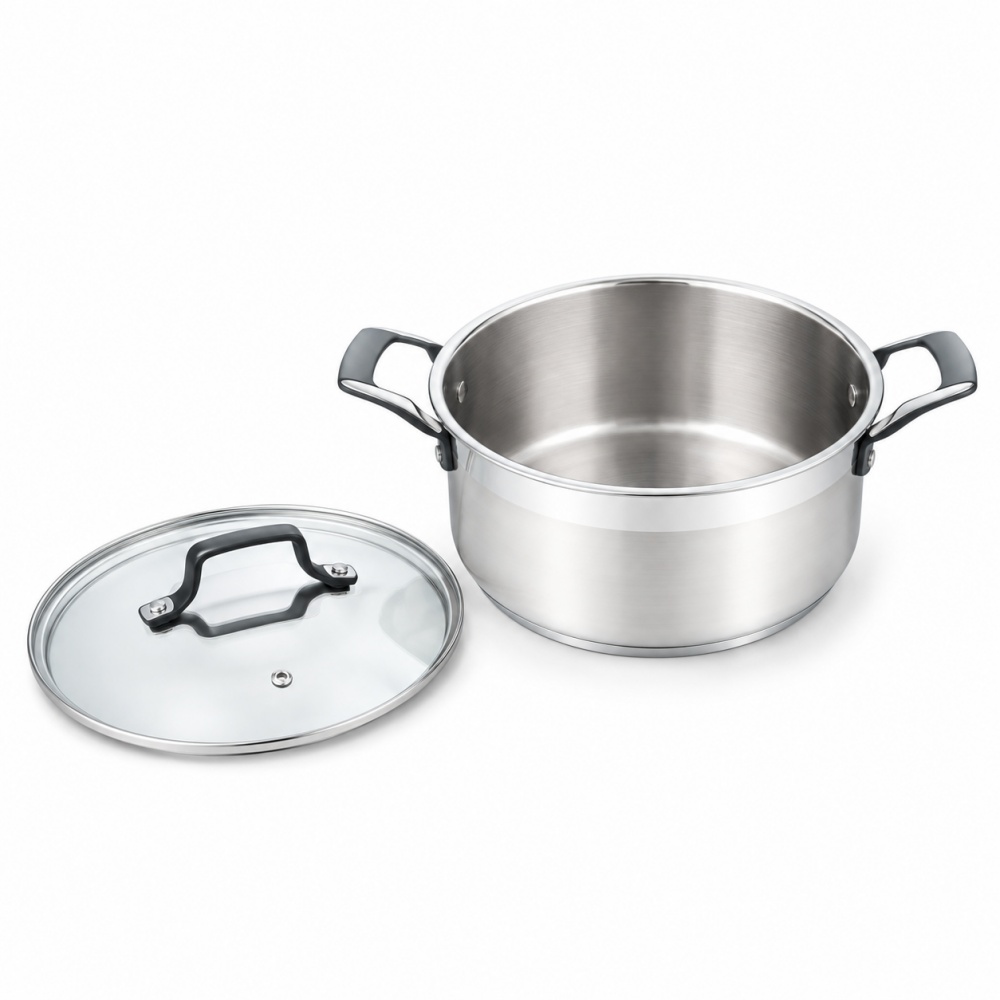
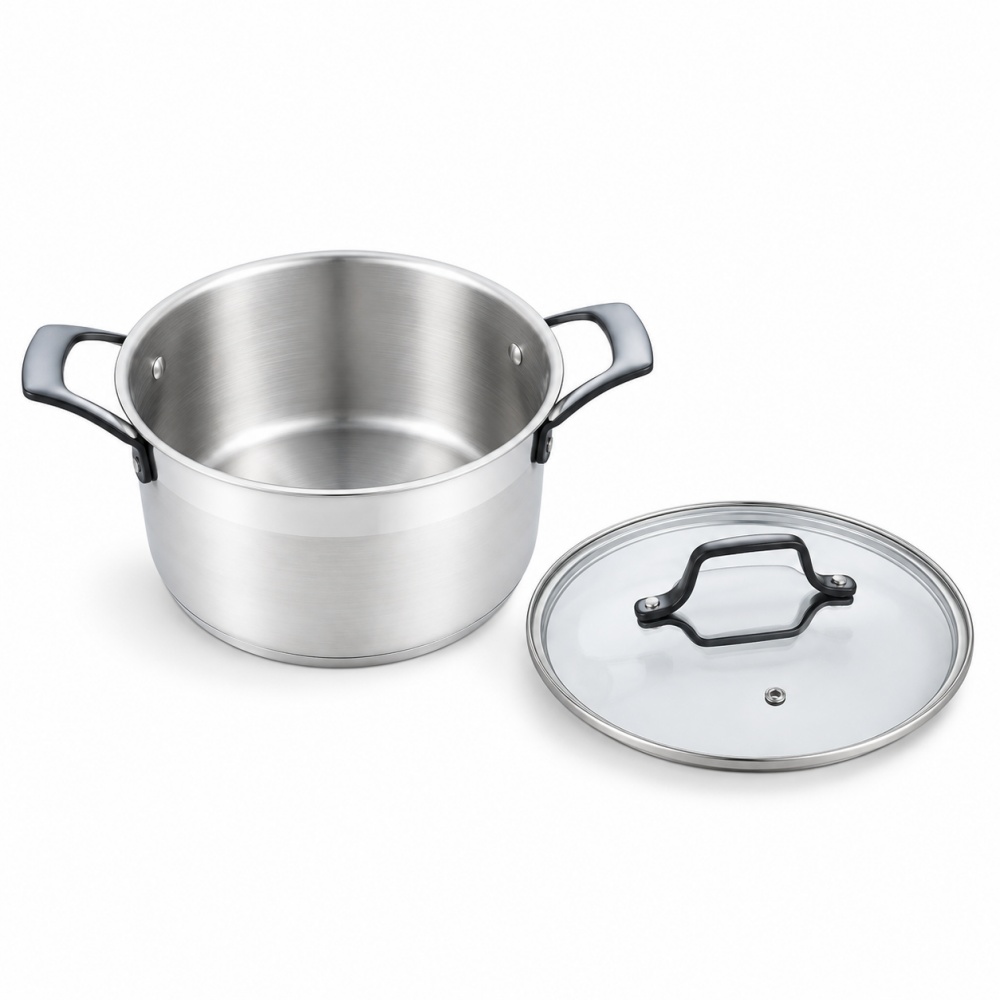
A saucepan is typically a deep, flat-bottomed cooking vessel with relatively straight sides, a long handle, and often a lid. Its walls hold liquids and provide room for stirring soups, grains, and sauces.

A frying pan is generally shallower, with sloped sides suited to turning food and accessing the cooking surface. Choose a saucepan when liquid capacity matters. Evaporation also depends on exposed surface area, heat, cooking time, and whether the pan is covered.

Find Your Everyday Saucepan

Explore saucepans for simmering sauces, cooking grains, and reheating soups. Compare capacity, material, lid options, and cooktop compatibility to choose a pan that fits your portions and cooking routine.

Which Saucepan Capacity Should You Choose?

Choose capacity around your usual recipes and batch sizes. These general guidelines use US quarts; serving examples are approximate because recipes and working volume affect suitability.

Capacity Typical Uses Best Fit
1–1.5 US quarts Butter, small sauces, eggs, and single servings Small tasks or cooking for one
2–3 US quarts Oatmeal, rice, grains, and side-dish sauces Everyday smaller batches and side dishes
4 US quarts Small soup batches, pasta for two, and larger liquid batches Recipes needing more working room

How Do You Choose the Best Saucepans for Your Kitchen?

The best saucepans for your kitchen match your portions, cooking habits, and cooktop. Use these checks to narrow your choice:

  • Capacity and construction: Select useful working room and check the stated materials and layered construction.
  • Lid: Check fit and whether it is included. A glass lid allows viewing without lifting, although condensation can obscure it.
  • Handle and weight: Consider grip comfort, balance, and how manageable the pan will be when filled.
  • Compatibility: Verify suitability for your cooktop. Induction compatibility requires a suitable magnetic base; confirm an “induction safe” claim in the specifications.

Oven limits depend on the complete product, including handles and lid. Check each component’s stated limit. If adding to a cookware set, choose a capacity that fills a gap in your current pans.

How Do Saucepan Materials Compare?

Compare the material options available in the product listings against your preferred cooking methods and care routine. The following is general buying guidance; availability and specifications require confirmation.

  • Stainless steel: Clad stainless steel commonly combines steel with a conductive core, such as aluminum. Tri-ply, also called 3-ply, describes three layers. Heating performance and even heat distribution depend on construction, thickness, and burner fit.
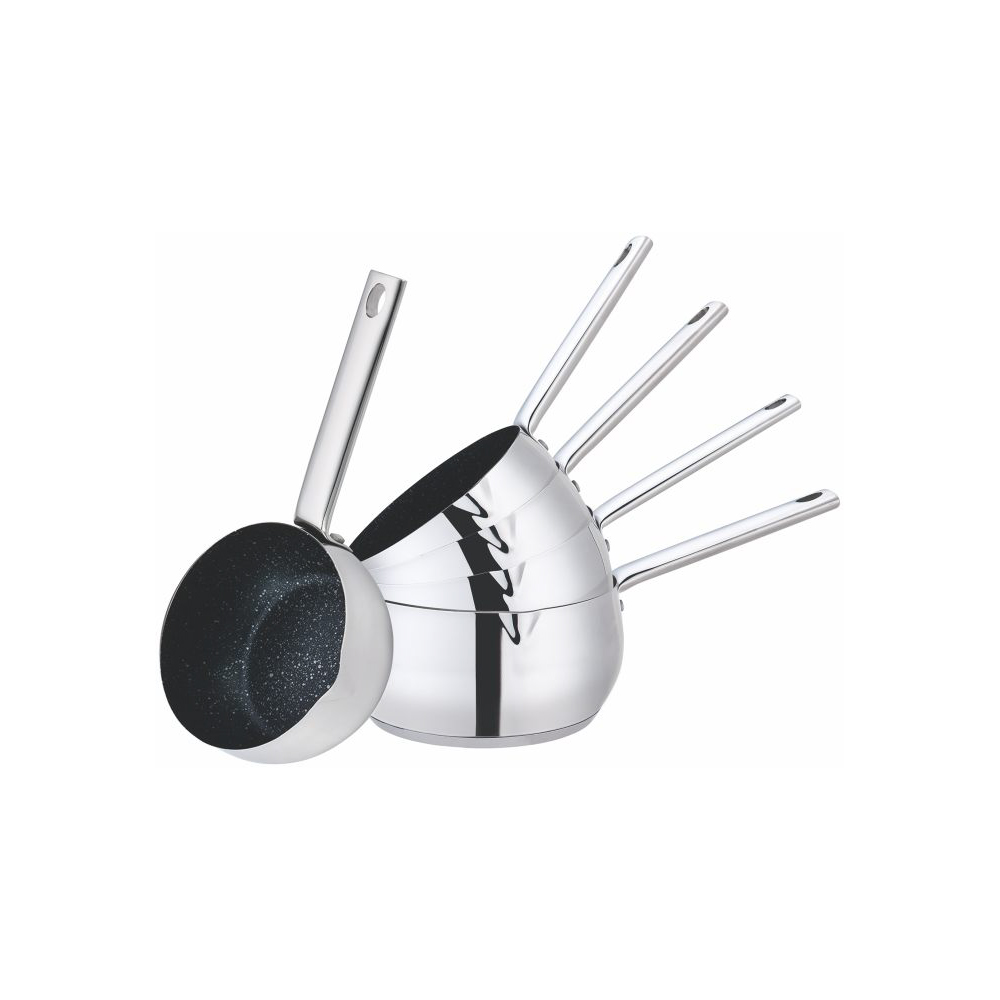
  • Conventional nonstick: A nonstick saucepan provides food release that can simplify serving and cleanup. Follow manufacturer-specific requirements for heat, utensils, washing, and storage.
  • Ceramic nonstick: This coating also helps food release. Compare the individual product’s instructions and limitations; the coating name alone does not establish superior safety or durability.

For cookware that is easy to clean, consider both the cooking surface and the cleaning method you can maintain.

What Can You Cook in a Saucepan?

Saucepans suit everyday dishes that need boiling, simmering, or controlled stirring. Match the pan’s capacity to the recipe and leave room for movement.

  • Sauces: Simmer gravy, tomato sauce, and reductions. Reducing sauce generally requires cooking uncovered so moisture can escape.
  • Grains and vegetables: Cook small portions of pasta, rice, grains, or vegetables, allowing space for water and expanding ingredients.
  • Reheating: Warm soups, stews, and leftovers, stirring as needed and adjusting heat to the food and cookware instructions.
  • Delicate preparation: Melt butter or prepare custard with controlled heat and stirring. For chocolate, use gentle indirect heat or a suitable double-boiler setup.

What Is the Difference Between a Saucepan and a Saucier?

A saucepan generally has straighter walls; a saucier has rounded transitions between its base and sides. These curves help a spoon or whisk reach the bottom corners.

Consider saucepans for routine boiling, reheating, and grain cooking. Sauciers suit preparations involving frequent whisking, such as custard and delicate sauces. Compare saucepans and sauciers by capacity, utensil access, and your recipes to choose a shape that fits your routine.

Saucepan FAQs: Choosing and Caring for Your Cookware

Find practical answers about saucepan sizes, materials, lids, induction compatibility, pan shapes, and cleaning to help you choose cookware that suits your everyday cooking.

A saucepan holding 2–3 US quarts is a practical starting point for oatmeal, grains, and side dishes. Choose capacity around your recipes, portions, and required headroom.

Choose stainless steel if you prefer an uncoated cooking surface. Consider nonstick if food release is a priority, and compare each product’s heat and care requirements.

Yes. A lid is useful for recipes requiring covered cooking, including many rice and grain dishes. Generally remove it when reducing a sauce so moisture can escape.

Check the manufacturer’s induction compatibility statement. Induction requires a suitable magnetic base, and the pan must meet your cooktop’s requirements for base size and contact.

A saucepan generally has straighter walls. A saucier has rounded transitions between the base and sides, helping a whisk reach the corners when preparing sauces or custards.

Let it cool before washing. Follow the manufacturer’s instructions, use approved cleaners and nonabrasive tools, and only use a dishwasher when the specific product permits it.