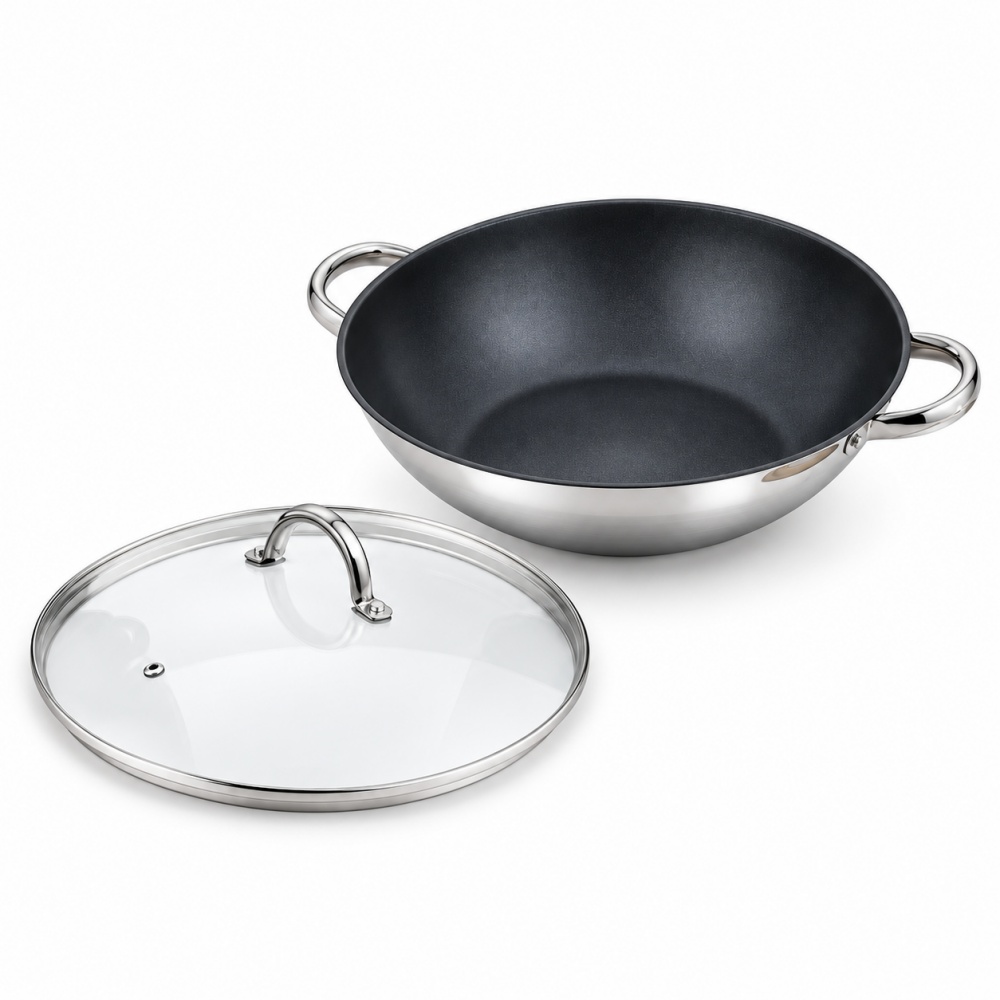
Woks for Stir-Fry and Everyday Cooking

A wok is a cooking vessel originating in China, with deep, sloping sides that help you toss ingredients and contain food. Useful for stir-frying, steaming, deep-frying, and more, it brings flexibility to everyday meals. Choose your material, bottom shape, and stove compatibility carefully to find a pan that fits your kitchen.

Which Wok Is Right for You?

The best wok for you matches your stove, cooking habits, capacity needs, and willingness to maintain it. Start with stove compatibility, then compare how comfortably you can lift and handle the pan when full.

  • For frequent stir-frying, consider responsive heating and room to toss.
  • For larger meals, compare usable capacity and cooking space, not just rim diameter.
  • For easier handling, check weight, handle shape, and helper handles.
  • For simpler upkeep, compare seasoning requirements with stainless steel or coated alternatives.

Find the Right Wok for Your Kitchen

Explore woks for stir-frying and everyday cooking. Compare materials, sizes, and stove compatibility to choose a pan that fits your favorite meals and cooking routine.

Flat Bottom or Round Bottom Wok?

A flat bottom wok generally suits flat cooking surfaces; a round bottom wok needs equipment designed to support and heat its curved base.

Shape Stability Stove compatibility Support
Flat bottom Generally stable on flat surfaces Suitable electric, induction, or gas setups Usually no ring
Round bottom Needs compatible support Appropriate gas or dedicated wok burners Approved cradle or ring may be needed

What Can You Cook in a Wok?

You can use a wok for stir-frying, deep-frying, steaming, braising, and simmering, provided its material and accessories suit the method. Try fried rice, beef and broccoli, or steamed dumplings to explore its role in Chinese cooking.

The bowl shape can require less oil to achieve frying depth than a wider, flat-sided vessel, depending on dimensions and food quantity. Leave space for bubbling and monitor oil temperature.

Compared with a frying pan, a wok offers higher sides for tossing and containing food. A frying pan provides broader flat contact for foods that need an uninterrupted sear.

How Do You Get Better Stir-Fry Results?

Better stir-fry results start with prepared ingredients, appropriate preheating, small batches, and controlled heat. Cut ingredients evenly, measure sauces, and keep everything within reach before cooking with a wok.

Preheat according to the pan’s instructions; coated cookware may require a different approach from uncoated steel. Cook in batches to limit crowding, and adjust the burner as ingredients change.

Wok hei is the characteristic aroma associated with skilled high-heat wok cooking. It depends on technique and heat source. Buying a wok alone does not guarantee it, and good home cooking does not require it.

Why Choose a Carbon Steel Wok?

A carbon steel wok suits cooks who want responsive heating and are comfortable maintaining seasoning. Its typically thin construction lets it respond quickly when you adjust the heat, while generally weighing less than a heavy cast iron wok of comparable size.

Uncoated carbon steel woks need seasoning according to their instructions. As you cook and maintain the surface, layers of heated oil develop into a darker patina that can help reduce sticking. Results still depend on heat, oil, ingredients, and technique; seasoning does not guarantee effortless food release.

How Do Other Wok Materials Compare?

Cast iron, stainless steel, and coated woks offer different balances of heat retention, weight, responsiveness, and care. Compare the construction of each pan alongside its material.

  • Cast iron: Heavy designs retain heat well but take longer to heat and cool. Uncoated surfaces require seasoning and protection against rust.
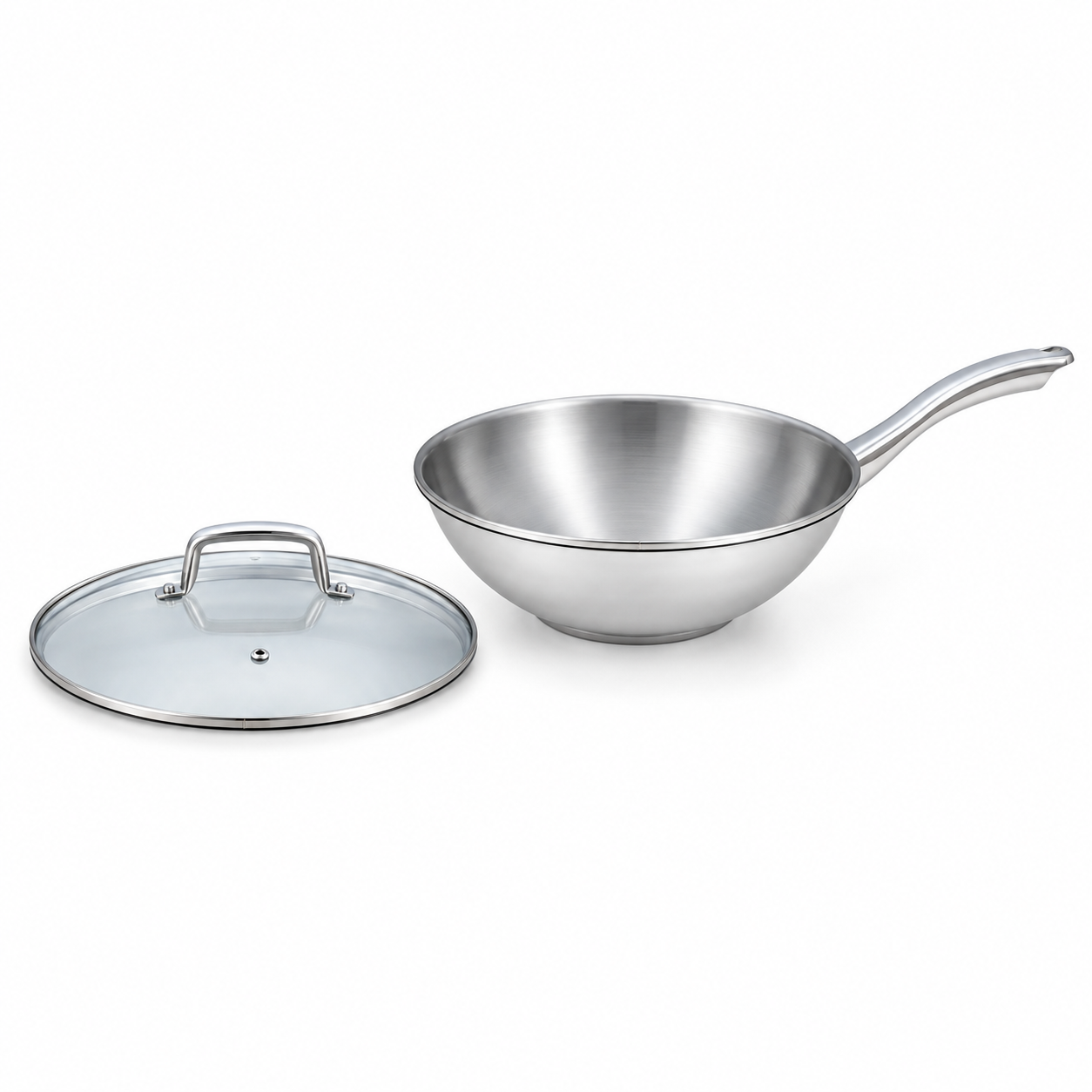
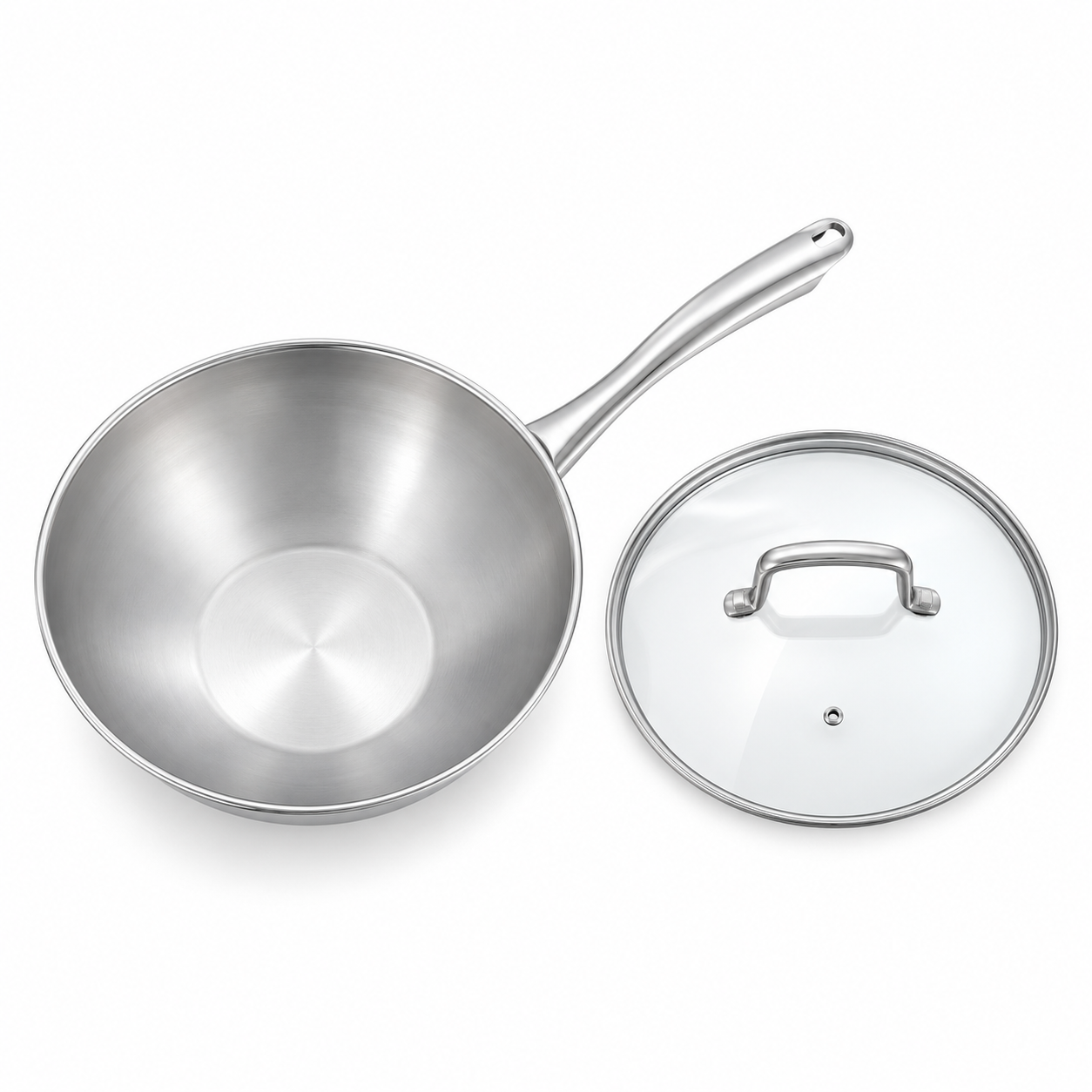
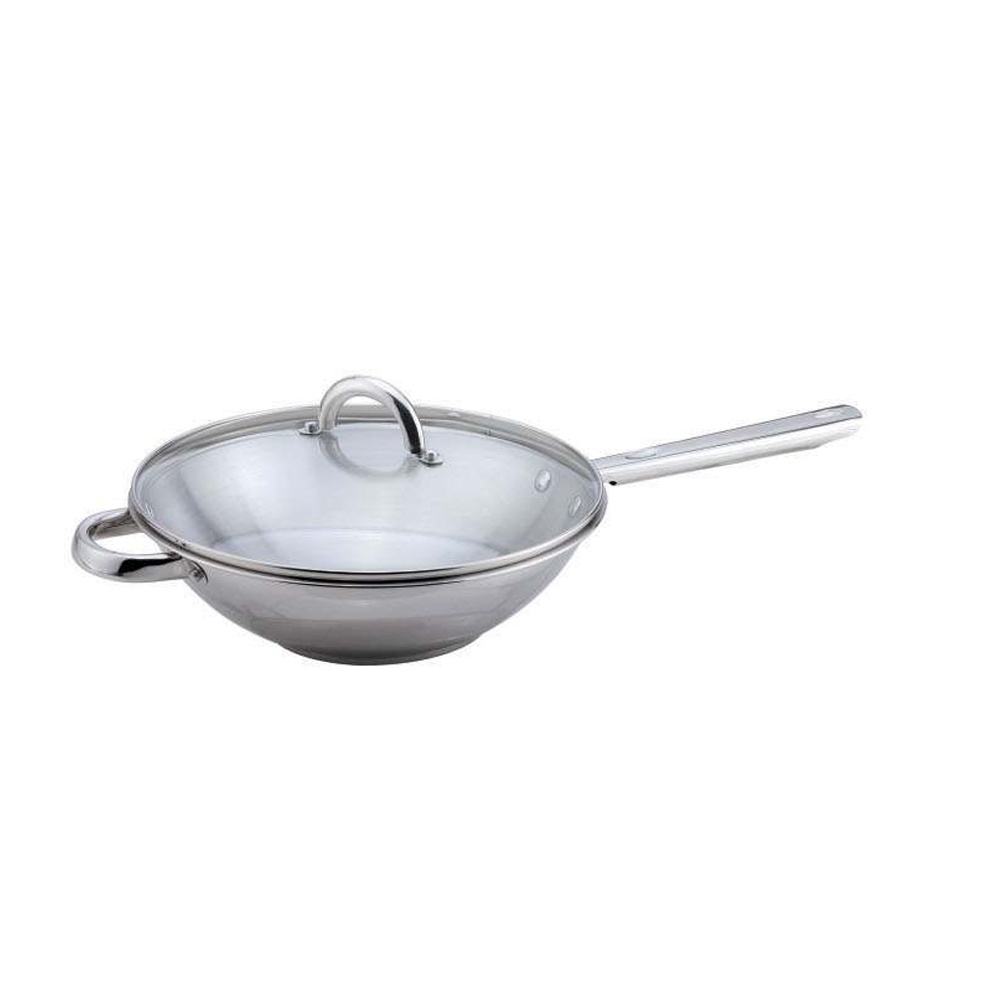
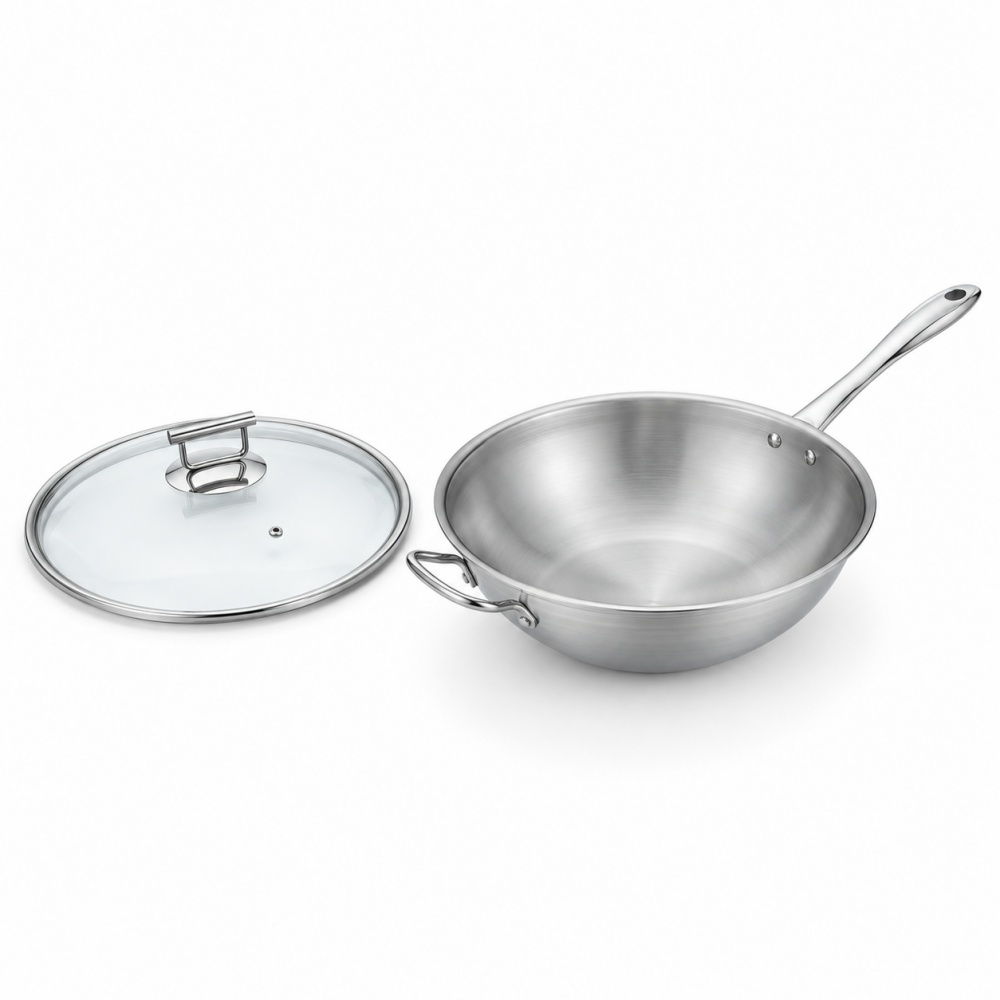
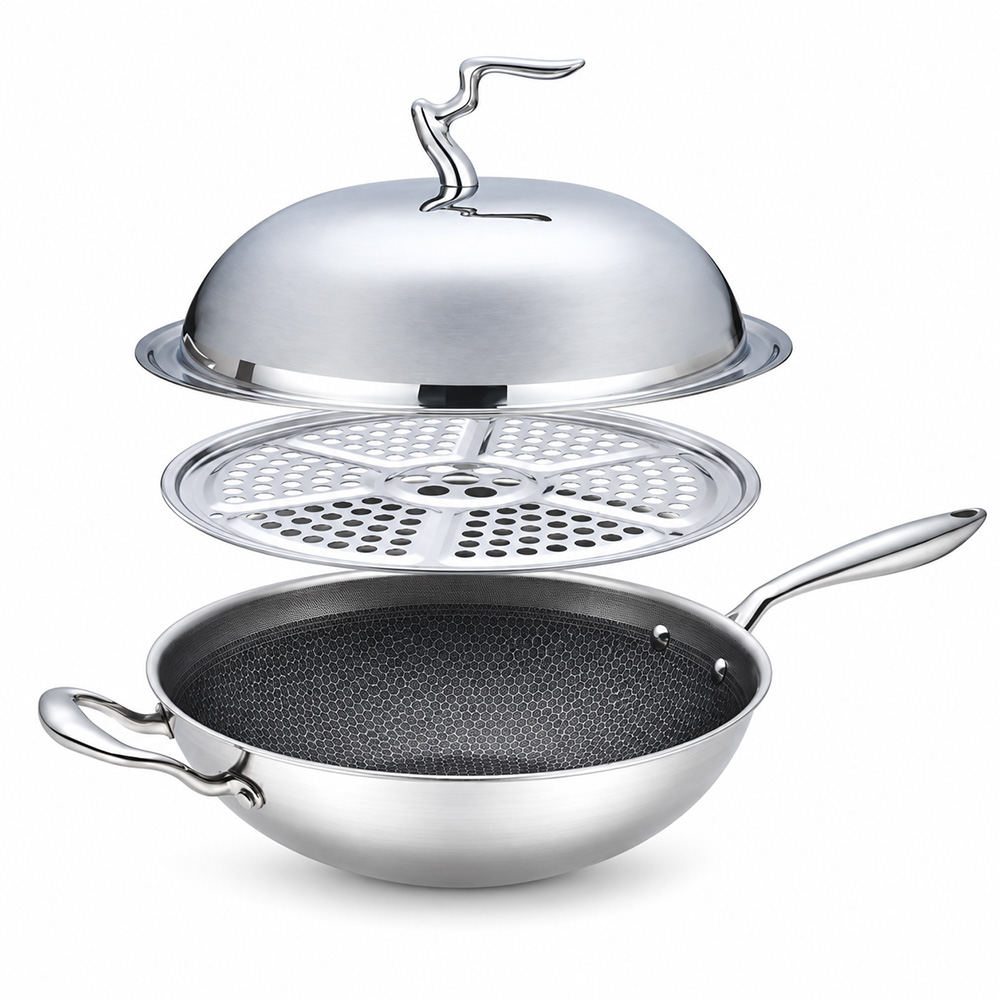
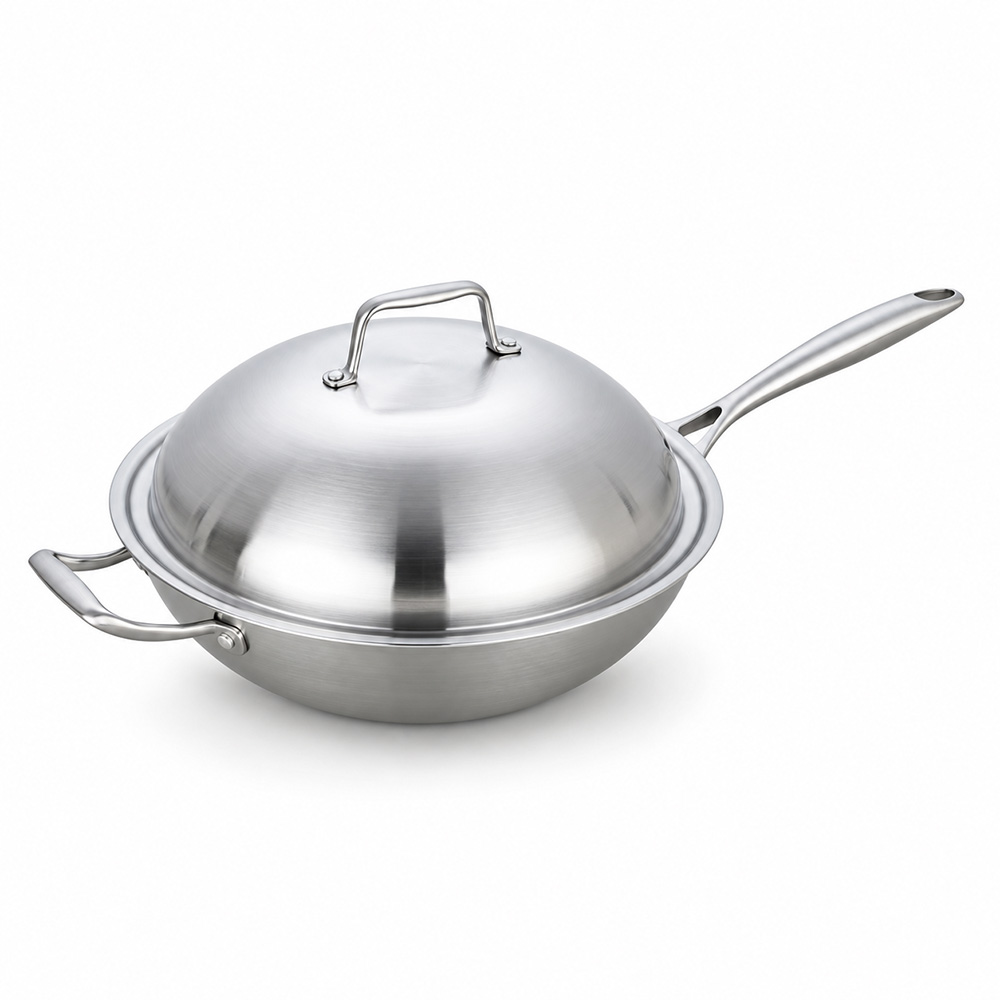
  • Stainless steel: Usually needs no seasoning. Heating performance and weight depend on construction, including conductive cores or layered bodies.
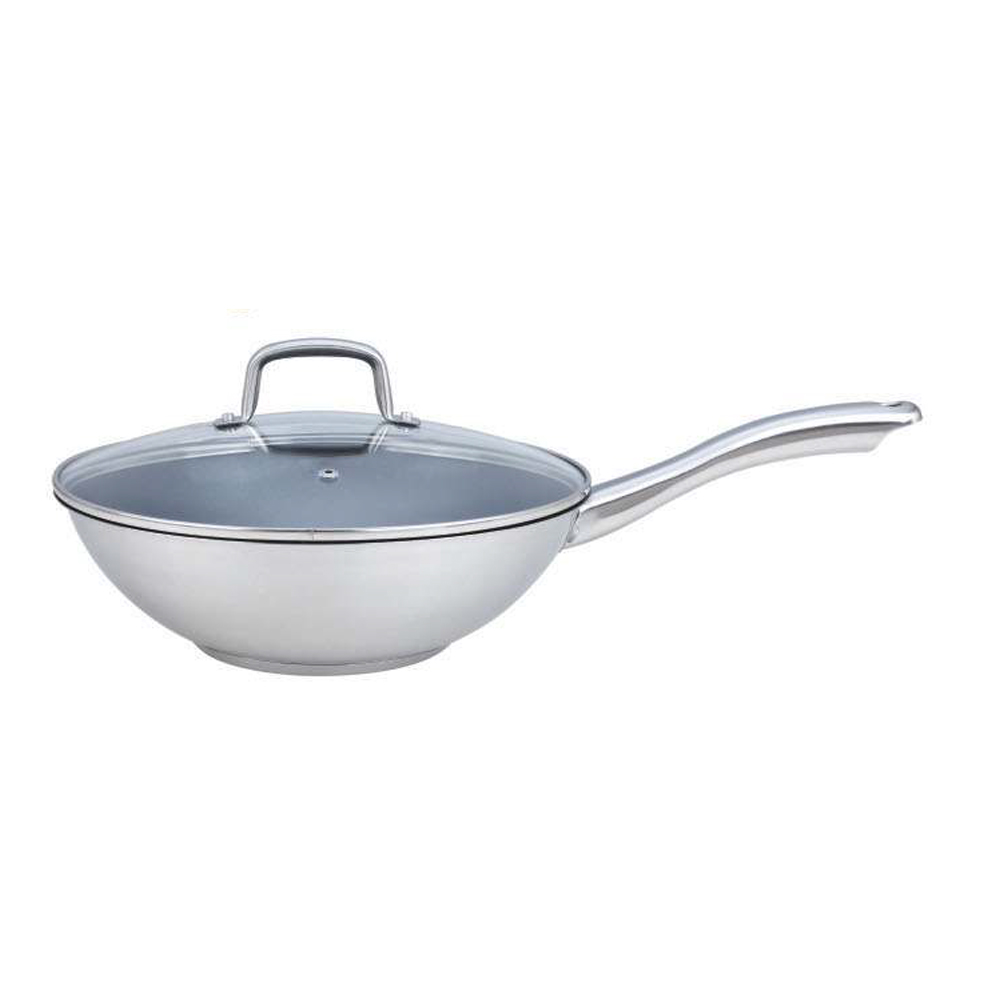
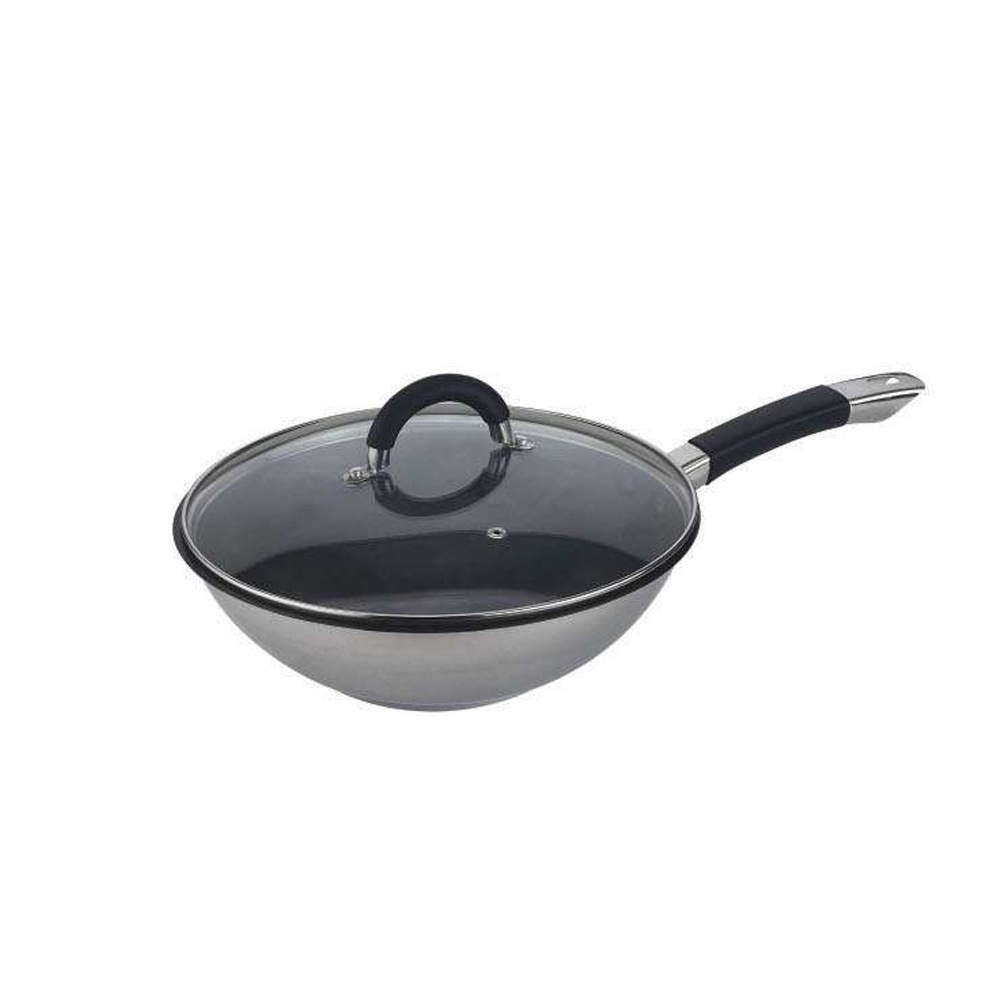
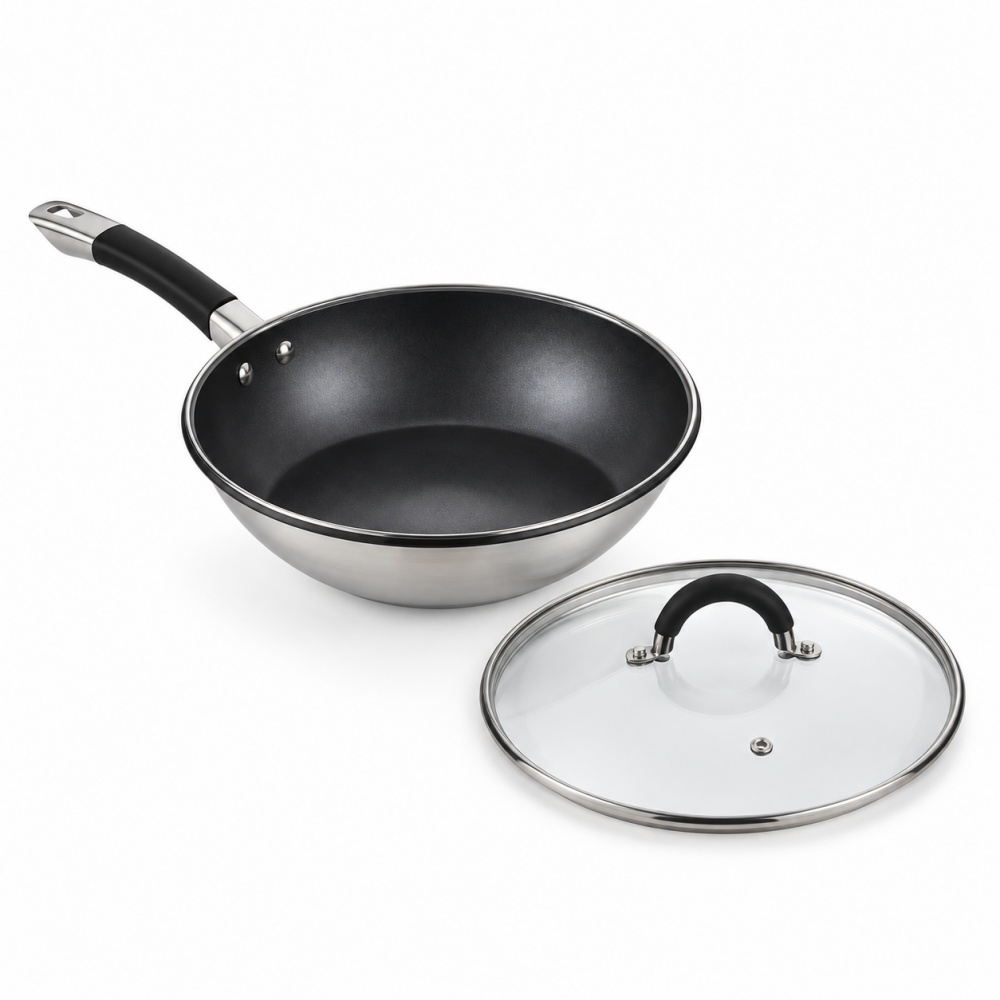
  • Nonstick: Can simplify food release and cleaning, but coatings limit heat and utensil choices.

A nonstick wok and other coated cookware must stay within the manufacturer’s temperature limits, including during preheating.

How Should You Season and Care for a Wok?

For uncoated carbon steel and cast iron, follow the manufacturer’s instructions to season the wok, clean it appropriately, and prevent rust.

  • Remove food residue with recommended cleaning tools and methods.
  • Dry thoroughly after washing; avoid leaving it soaking.
  • Apply a thin protective oil layer when recommended.
  • Refresh seasoning as directed if the surface needs attention.

Stainless steel and coated cookware generally do not need this seasoning routine. Follow their cleaning guidance and avoid abrasives or utensils that could damage the surface.

Which Wok Accessories Do You Need?

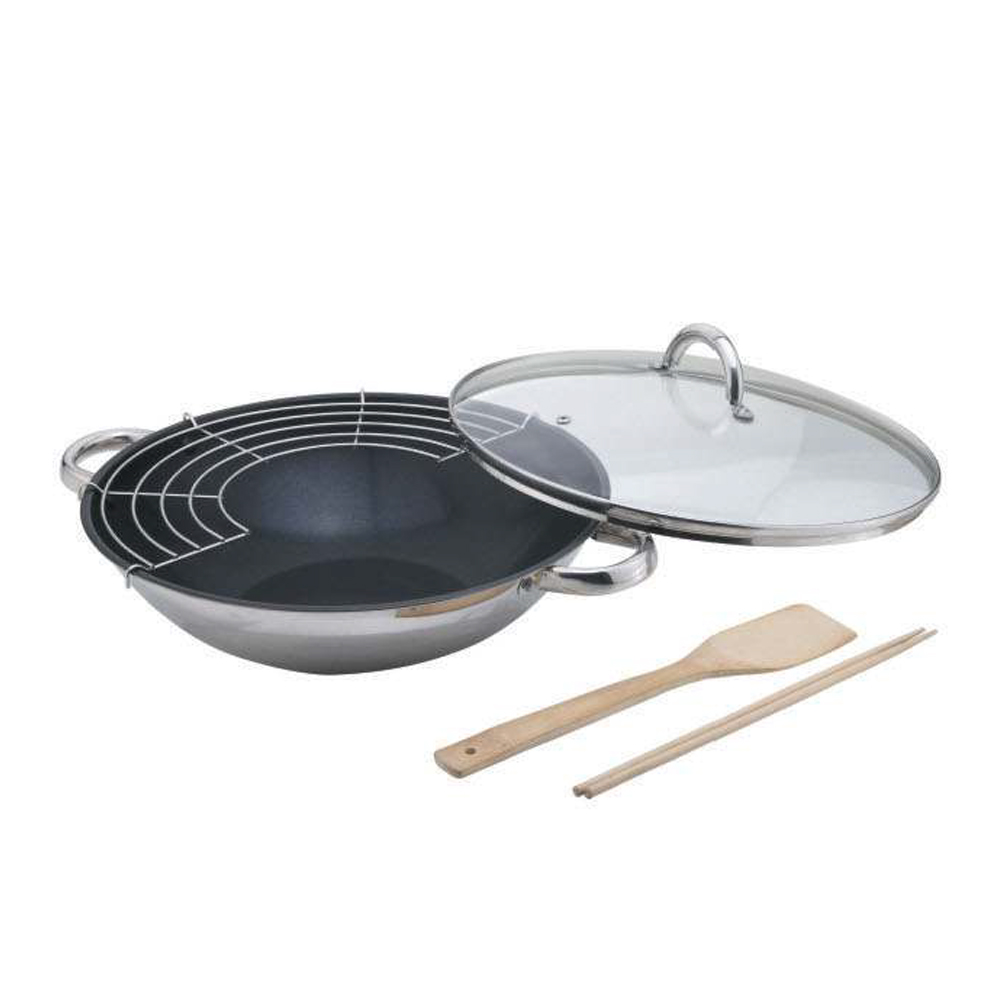
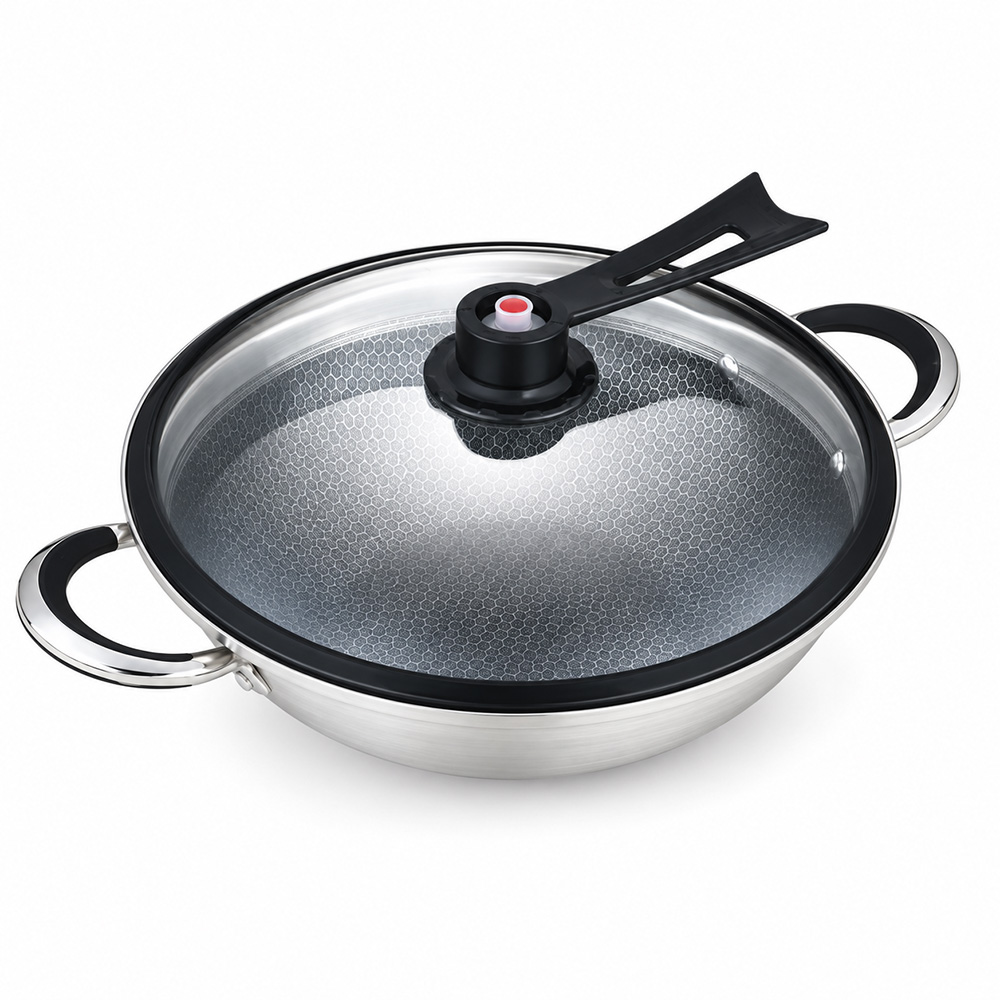
Choose wok accessories that fit your pan and the meals you make. A wok spatula helps turn and scoop ingredients; select a material suitable for the cooking surface. A compatible wok lid supports covered cooking, while a sized-to-fit steamer holds food above simmering water.

Use a wok ring only with suitable equipment and approved support arrangements. Before choosing, compare stove compatibility, material, capacity, handling, and care needs. Match those priorities to the product specifications for a wok that suits your routine.

Your Wok Questions, Answered

Find practical answers about choosing, using, and caring for a wok, from material and stove compatibility to seasoning and everyday cooking.

Start with stove compatibility, then compare material, usable capacity, weight, and handles. Choose a wok that gives you room to cook comfortably and fits the maintenance routine you are willing to follow.

Carbon steel generally responds faster to heat changes and weighs less than heavy cast iron, making it useful for tossing ingredients. Heavy cast iron retains heat well but is harder to lift. Both uncoated materials require seasoning and careful drying.

Yes, if the wok has an induction-compatible magnetic base and dimensions suitable for your cooking zone. A flat bottom generally suits standard induction surfaces. Check both cookware specifications and appliance instructions before choosing.

A flat bottom wok generally suits flat cooking surfaces. A round bottom wok needs an appropriate burner and compatible support. Use a wok ring only where the appliance allows it; a ring does not make every stove suitable.

Uncoated carbon steel and cast iron need seasoning maintained according to the manufacturer’s instructions. Stainless steel and coated woks generally do not require this process. Seasoning can help reduce sticking, but heat control, oil, and technique still matter.

Let it cool, then hand-wash using the manufacturer’s recommended methods. Remove food residue, dry thoroughly, and apply a thin protective oil layer when advised. Avoid soaking or dishwasher cleaning, which can damage seasoning and encourage rust