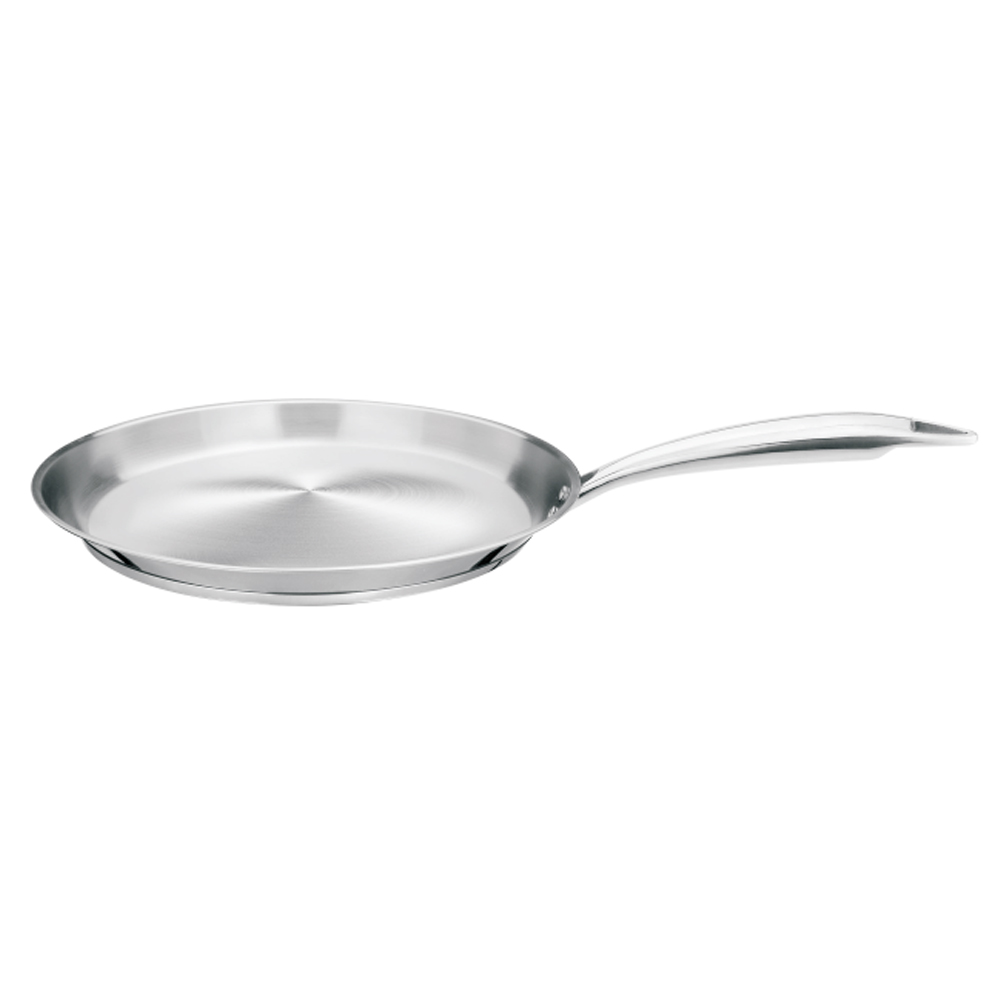
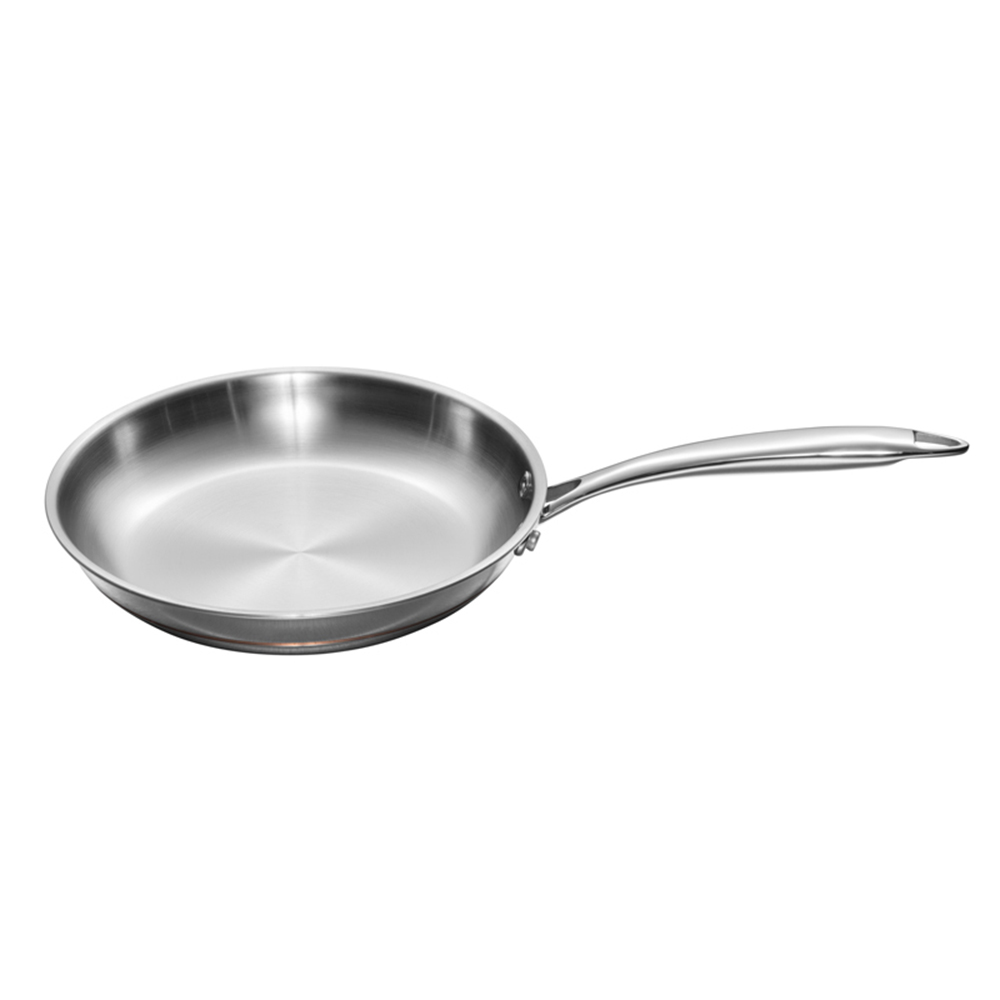
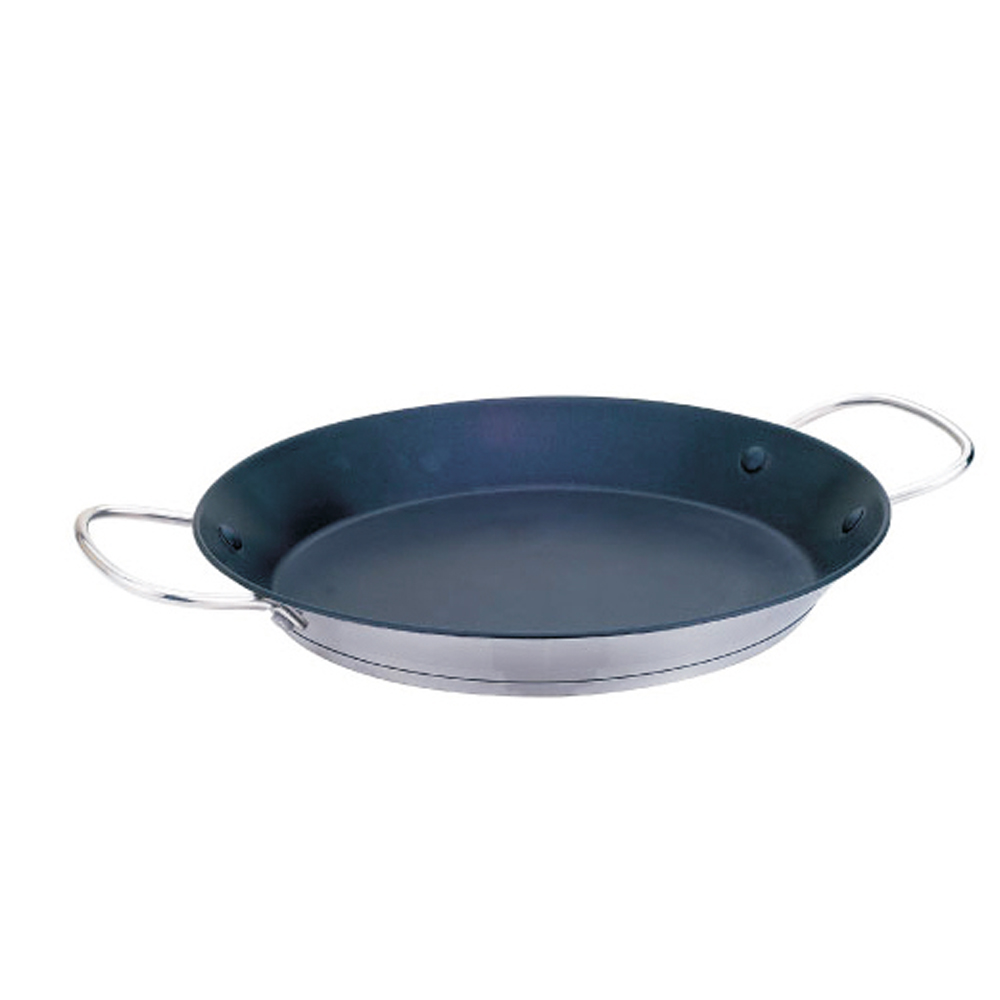
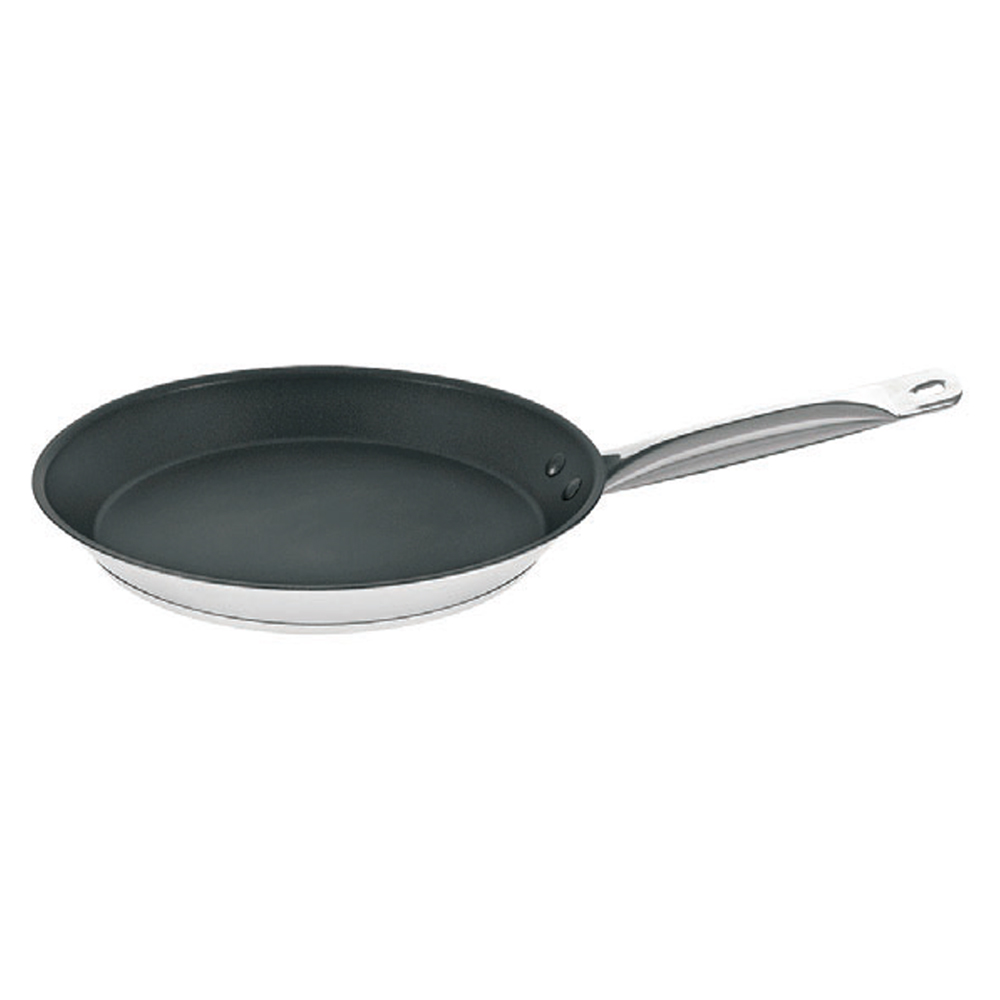
Pancake & Crepe Pans

Pancake pans and crepe pans help you match the cooking surface to your favorite breakfast. Broad, flat designs with low sides make spreading batter and sliding in a spatula easier. Molded pans suit specific pancake styles, helping you portion batter into defined shapes. Choose by design, material, and stovetop requirements.

What Is the Difference Between Pancake and Crepe Pans?

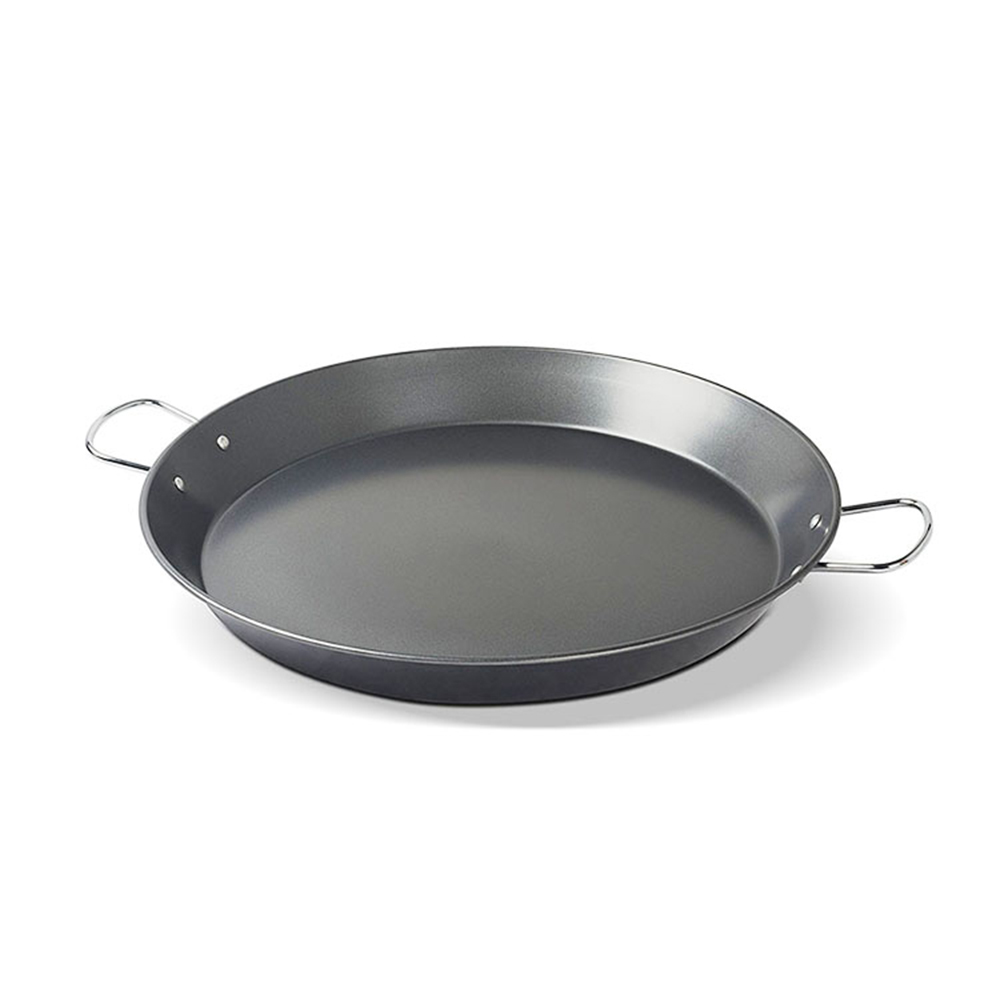
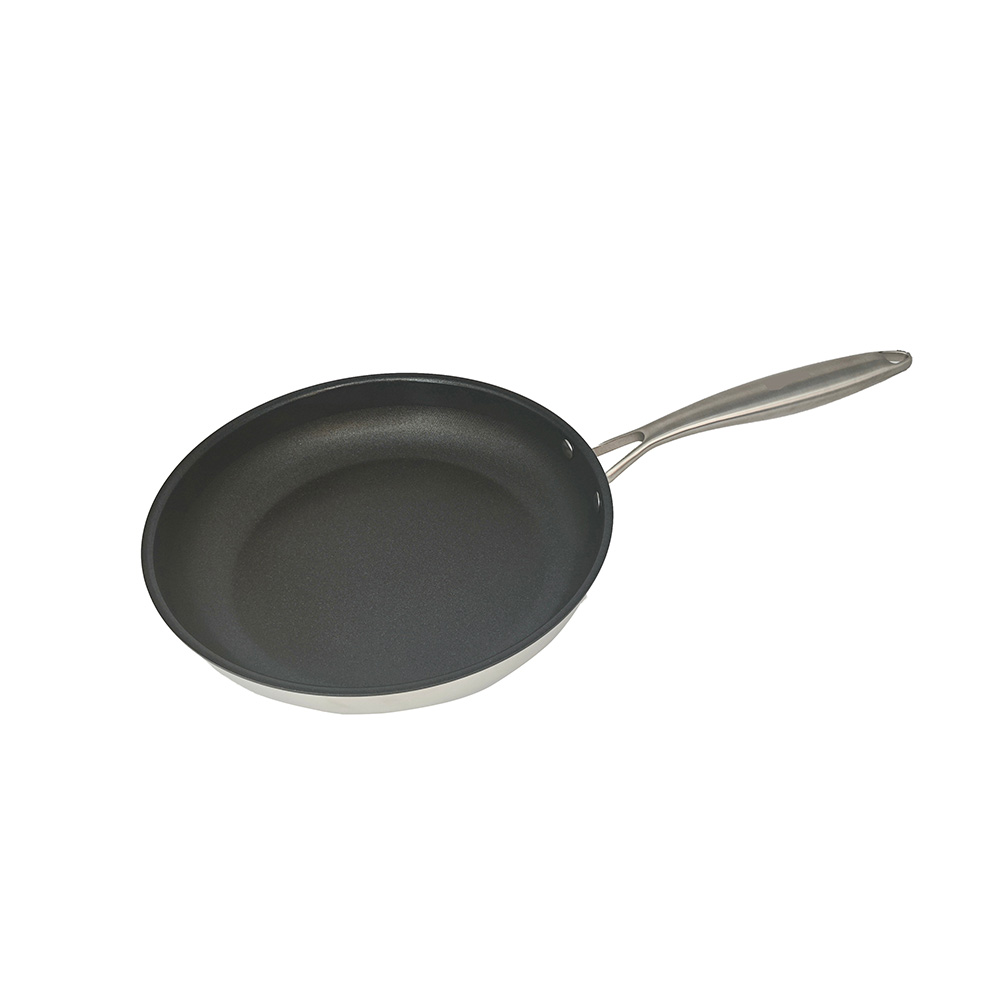
Thin crepes benefit from a broad surface and low rim that leave room to spread batter. American-style pancakes can cook on a flat pancake pan, crepe pan, or griddle.

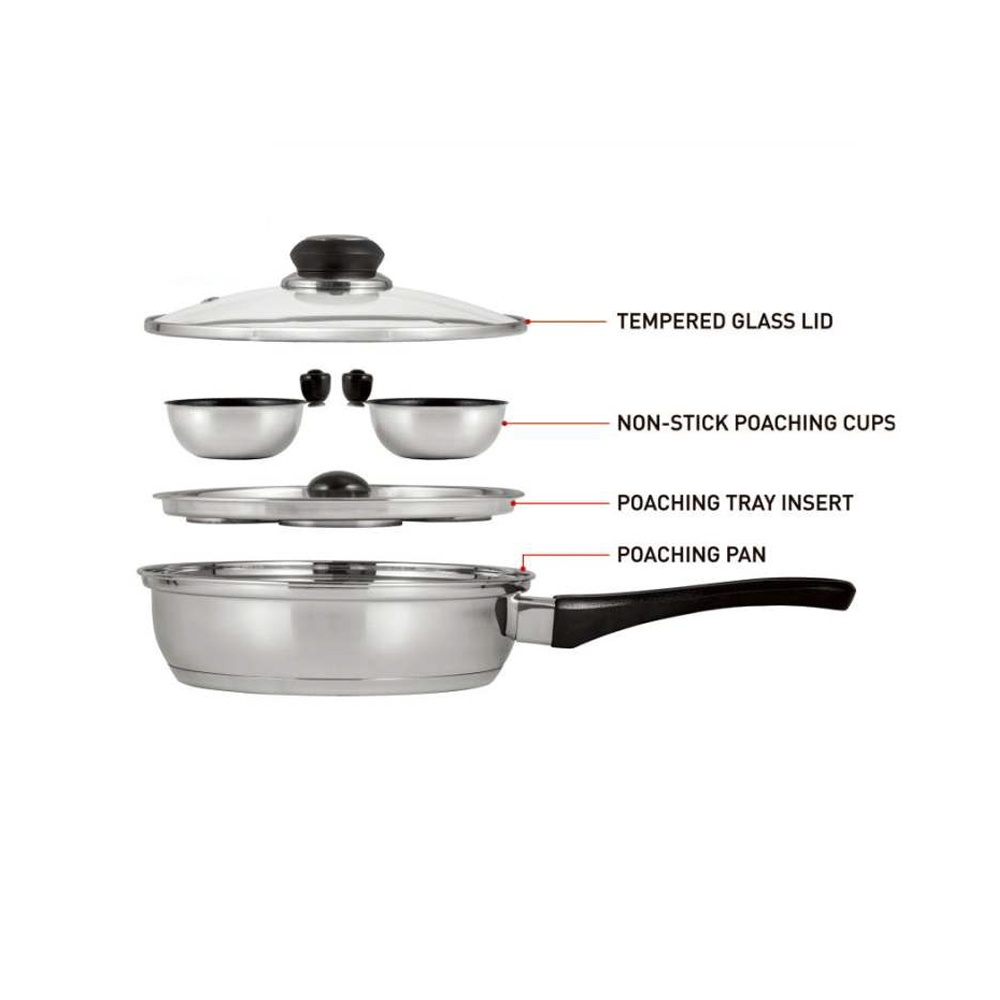
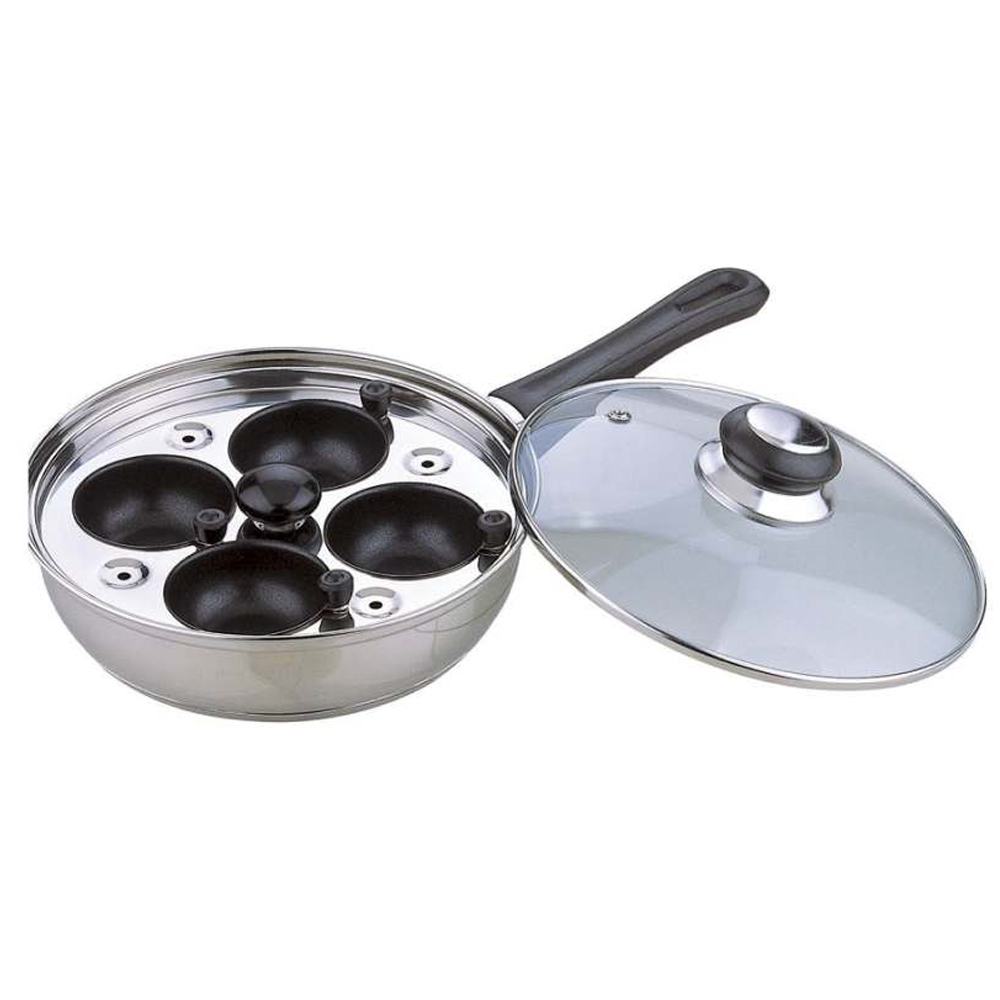
Some specialty pancake pans have wells for consistent shapes, but not every pancake pan does. Choose an open surface if you want to vary pancake size; choose wells when your recipe calls for a particular shape. A deeper frying pan can make spatula access less convenient.

Pancake & Crepe Pans

Find the right pan for fluffy pancakes, delicate crepes, and specialty favorites. Compare cooking surfaces, materials, and stovetop compatibility to choose a pancake or crepe pan that suits your recipes and kitchen.

Compare Pan Materials

Match the material and finish to the maintenance you prefer. Heating behavior depends on thickness, construction, burner fit, and preheating; material alone does not guarantee even heating.

Material Main Benefit Care or Trade-Off Suitable Uses
Coated aluminum Easy release and cleanup Protect the coating; follow heat and utensil limits Crepes and everyday pancakes
Carbon steel Develops a seasoned cooking surface Bare steel needs seasoning and thorough drying; weight varies Crepes and pancakes on flat designs
Cast iron Retains heat well Can be heavy; bare iron needs seasoning care Pancakes and specialty shapes, depending on design

Choose a Size and Handle That Suit Your Kitchen

Compare usable cooking diameter rather than assuming the advertised overall diameter equals the flat surface. Allow room for your preferred crepe size or several pancakes with space between them.

  • Weight: Consider lifting, tilting, and carrying the filled pan.
  • Rim height: Low sides help you reach under food and spread batter.
  • Handle design: Check grip, attachment, and clearance around nearby cookware.
  • Storage: Account for the handle’s length, cupboard space, and protection between stacked pans.

Cook, Flip, and Care for Your Pan

  1. Preheat as directed. Follow the manufacturer’s method and use suitable heat. Avoid overheating coated pans.
  2. Add batter. Spread thin crepe batter by tilting the pan or using an optional batter spreader. Portion pancake batter with space to flip; follow recipe guidance for wells.
  3. Turn when ready. Let the underside set, then slide a suitable spatula underneath. Specialty cups may need a different turning tool or technique.
  4. Clean after cooling. Use coating-approved utensils and cleaning methods. Dry bare carbon steel and cast iron thoroughly and maintain their seasoning. Follow model-specific instructions for oven use and dishwashers.
  5.  

Will Your Pan Work on Induction?

Compatibility depends on the individual model and its base construction. Aluminum cookware needs a suitable magnetic base to work on induction.

Check the manufacturer’s induction specification alongside your cooktop’s cookware requirements, including base size and shape. A magnetic base is a useful indicator, but it does not replace checking model suitability. Bosch’s induction cookware guidance explains the magnetic-base requirement.

Confirm compatibility before buying rather than relying on the pan’s material or appearance.

Match the Design to the Recipe

Flat crepe pans suit thin, spread-out batter. Depending on size and cooking instructions, they can also handle a tortilla, omelet, or flatbread.

Shallow multi-well designs separate pancake portions. Deep-cupped ebelskiver pans shape rounded Danish pancake puffs, while shallow-welled poffertjes pans suit small Dutch pancakes. These designs are not interchangeable: the depth and shape influence how you fill and turn each portion.

Pancake & Crepe Pans: Frequently Asked Questions

Find answers to common questions about pancake and crepe pans, from choosing the right design and checking induction compatibility to understanding coatings and everyday care.

Crepe pans typically have a broad, flat surface and low sides to help with spreading batter and flipping. Pancake pans may have a flat surface or molded wells for specific shapes.

Yes. A flat crepe pan can cook American-style pancakes as well as thin crepes. Leave space between pancakes so you can slide a spatula underneath and flip them comfortably.

No. Induction compatibility depends on the individual model and its base construction. Aluminum pans need a suitable magnetic base. Check the manufacturer’s specifications and your cooktop’s requirements before buying.

Bare carbon steel and cast iron need seasoning maintenance to support food release and protect the surface. Some pans arrive preseasoned. Follow the manufacturer’s instructions for initial preparation and ongoing care.

Let the pan cool, then follow its care instructions. Use non-abrasive cleaning methods for coated surfaces. Dry bare carbon steel and cast iron thoroughly and maintain their seasoning. Only use a dishwasher if the manufacturer explicitly allows it.

No. A PFOA-free claim alone does not establish that a coating is PFAS-free. PTFE belongs to the PFAS group. Check verified manufacturer documentation for the specific coating rather than relying on the PFOA-free label alone.