Looking for the right cookware partner? Tell us about your product ideas, target market, materials, and order needs. Our team can help you explore sourcing options, OEM and ODM development, quality requirements, and practical next steps. Share your project details to start a conversation and receive a clear, tailored response for your next project.
Texture tells the truth. When couscous appears of a cleaner pot as a dense, sticky mass, the problem is usually not the top quality of the semolina but the way dampness, vapor blood circulation, and grain splitting up have actually been taken care of throughout food preparation. Experienced cooks comprehend this difference; several simplified recipes neglect it totally.
So, what separates effectively steamed couscous from an ordinary bowl of cooked grains?
The response hinges on understanding the product before selecting the food preparation approach. Traditional Moroccan couscous prep work differs from the quick approach made use of for a lot of supermarket couscous, and perplexing these two techniques can create disappointing outcomes also when the active ingredients are perfectly good.
In this overview, I focus on the practical technicians of steaming: how to prepare the grains, manage steam, pick ideal kitchenware, court doneness, and correct typical failings without relying on guesswork.
Why Steaming Couscous Requires Greater Than Boiling Water
Couscous is made from semolina, generally stemmed from durum wheat. Its small granules can absorb moisture promptly, yet that does not mean every selection must be prepared by pouring boiling water over it and leaving it covered.
The distinction issues.
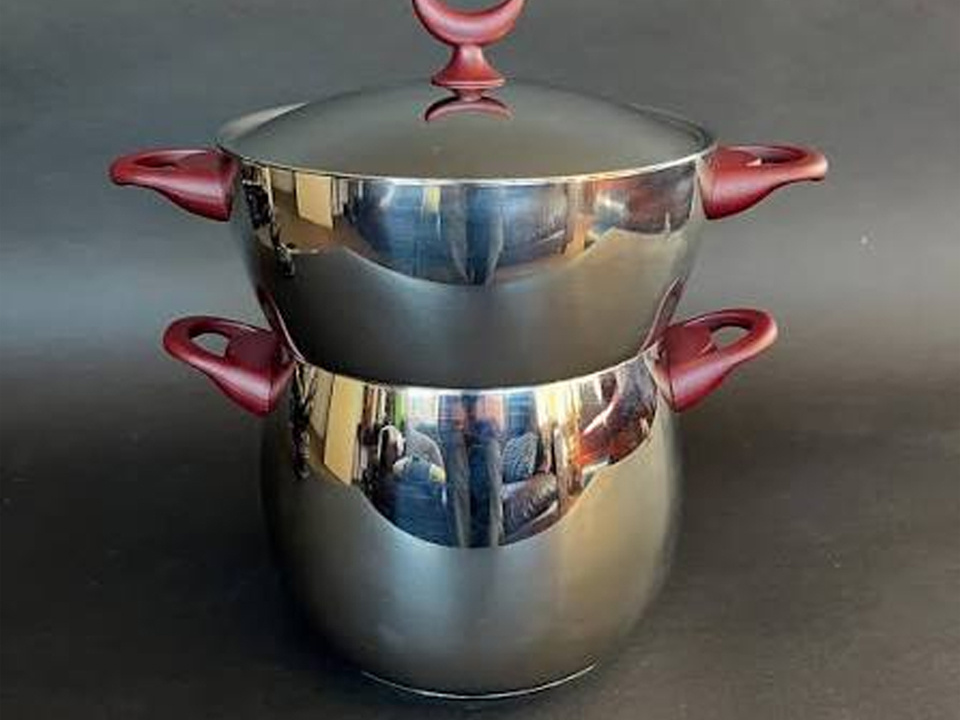
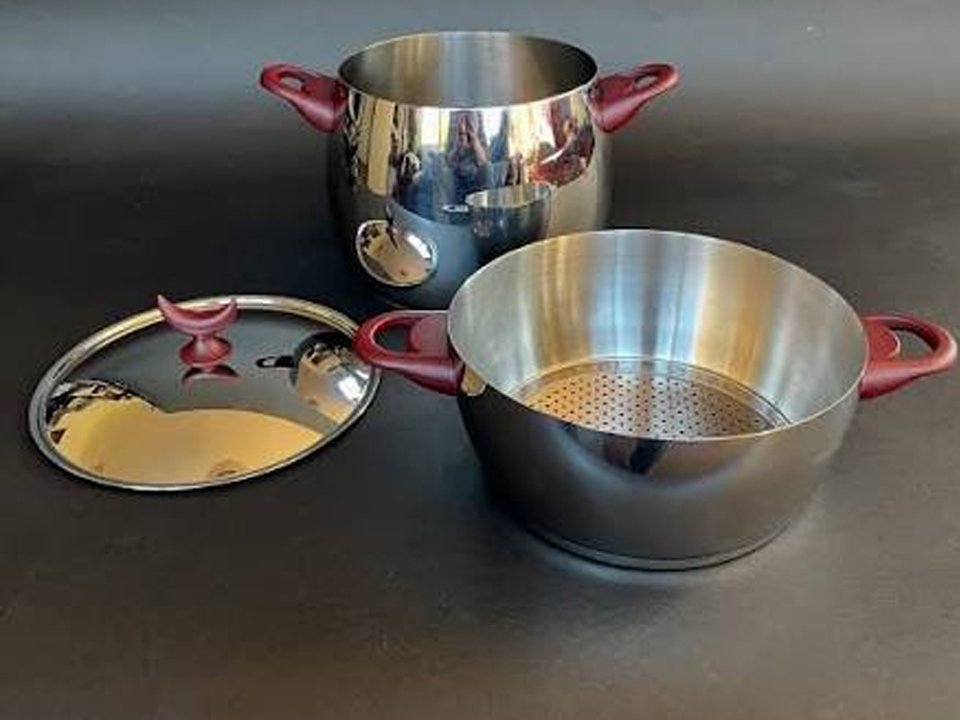
Typical North African couscous is typically steamed in a couscoussier, a pot-and-perforated-insert arrangement that allows heavy steam from the liquid listed below to travel through the grains over. Relying on the product and dish, typical prep work may include numerous steaming phases, with additional moisture and grain splitting up between them.
By comparison, many instant couscous marketed in supermarkets has already gone through partial food preparation during manufacture. It generally needs just a short rehydration period or a quick final steam, depending on the package instructions.
My referral is straightforward: determine the couscous before picking the approach. A lot more steaming is not automatically far better, and including even more water does not necessarily create softer, better-separated grains.
What You Required Before You Start
A reputable result starts with a few basic active ingredients and the appropriate tools. You do not require a sophisticated kitchen, yet you do require a pot that creates consistent steam and an insert that enables it to circulate.
For approximately four side-dish servings, prepare the following:
300 g dry couscous, preferably a variety appropriate for steaming.
300– 450 ml water for initial moistening and change, depending upon the grain type and recipe.
1– 2 tablespoons olive oil or melted butter, optional.
Roughly 1/2 teaspoon salt, gotten used to taste.
A steamer pot with a perforated insert and a well-fitting cover.
A big dish or shallow tray for moistening and separating the grains.
A fork or tidy hands for breaking up globs.
These quantities are a functional beginning point, not an universal hydration formula. Great conventional semolina, immediate couscous, and pearl couscous behave in different ways, so comply with the maker’s guidelines when they contravene a generic dish.
Selecting the very best Steamer Pot for Couscous
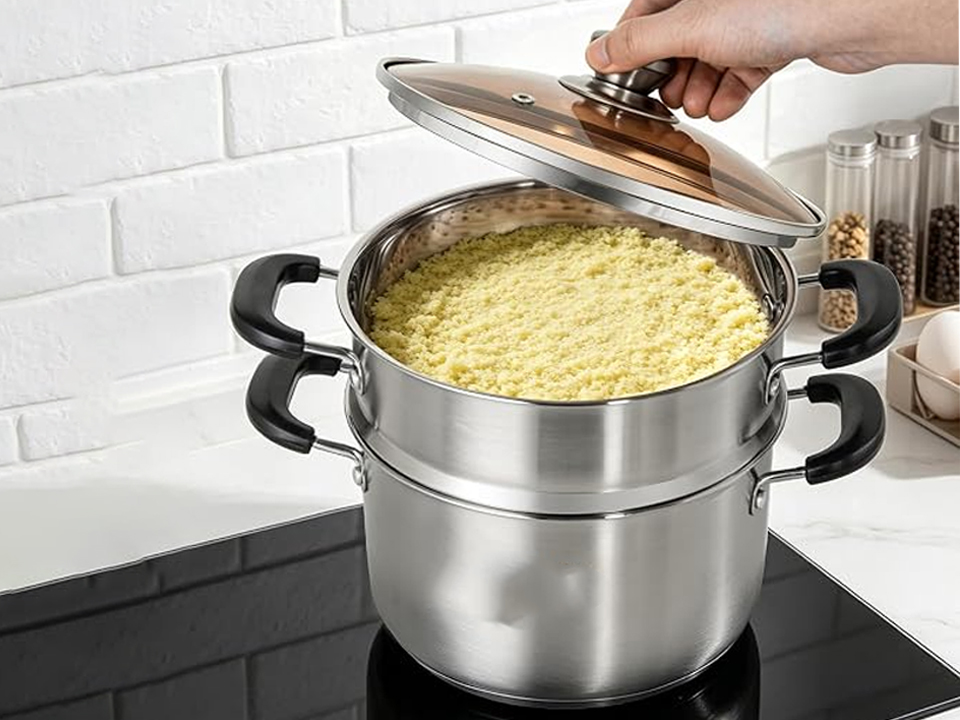
The very best cleaner pot for couscous is one that holds a steady simmer, directs vapor evenly with the insert, and prevents grains from falling under the water below.
A stainless steel steamer pot is a functional option for regular cooking due to the fact that it is durable, straightforward to tidy, and ideal for repeated home heating. Nevertheless, material alone does not guarantee great results. Insert-hole dimension, capacity, cover fit, and the connection between the insert and the water degree issue equally as much.
Before investing in, confirm whether the set in fact consists of a suitable steaming insert. A pots and pans established with a number of pans is not necessarily a couscous steamer.
How to Steam Couscous in a Cleaner Pot
The adhering to method discusses the important process while identifying traditional semolina preparation from the less complex treatment required by numerous commercially packaged items.
Action 1: Recognize the Sort Of Couscous
Beginning by checking the product packaging. If it defines the item as instant or precooked couscous, the maker’s instructions ought to guide the preliminary hydration and cooking time.
Standard couscous planned for repeated steaming needs a different method. The grains are progressively dampened, steamed, cooled or aerated, and steamed again as needed.
Pearl couscous is various once more. Its larger, rounded granules usually call for simmering in fluid rather than the standard steaming procedure made use of for great Moroccan couscous.
This very first decision protects against an usual blunder: applying an extensive traditional strategy to an item developed for quick prep work.
Action 2: Moisten the Grains Evenly
Location the dry couscous in a large dish. Sprinkle water over the surface area progressively, dispersing it throughout the grains rather than putting it into one area.
Use your fingertips to rub and divide the granules gently. The purpose is to disperse wetness without developing wet pockets that bind the grains together.
For traditional couscous, this initial moistening phase is especially crucial. Allow the grains take in the water briefly, after that look for noticeable globs before transferring them to the steamer insert.
Do not presume that a big volume of water will certainly quicken the procedure. Excess moisture can trigger the grains to stick together, while insufficient wetness might leave them firm or milky after steaming.
Action 3: Prepare the Cleaner Pot
Include water to the bottom pot, keeping the liquid listed below the perforated insert. Bring it to a steady simmer prior to adding the couscous.
The water should produce continual heavy steam without boiling so strongly that fluid dashes into the grains.
Fit the insert securely and examine that vapor can climb via its openings. If the insert is strained, the center may cook in a different way from the outer edges. For a large set, working in two parts may create a much more constant result.
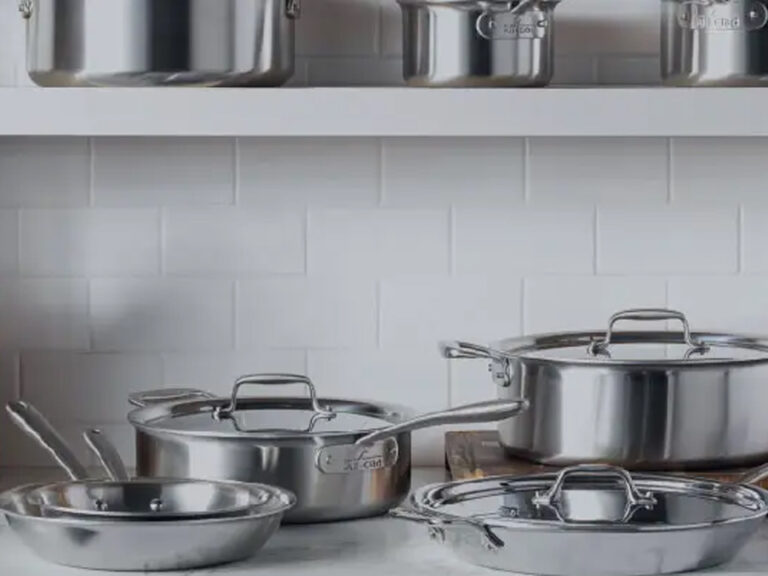
A suitable 8-piece casserole and pan set for wholesale supply can supply valuable sustaining cooking equipment for preparing the broth or stew offered alongside couscous, although a separate perforated insert might still be essential.
Tip 4: Distribute the Couscous Loosely
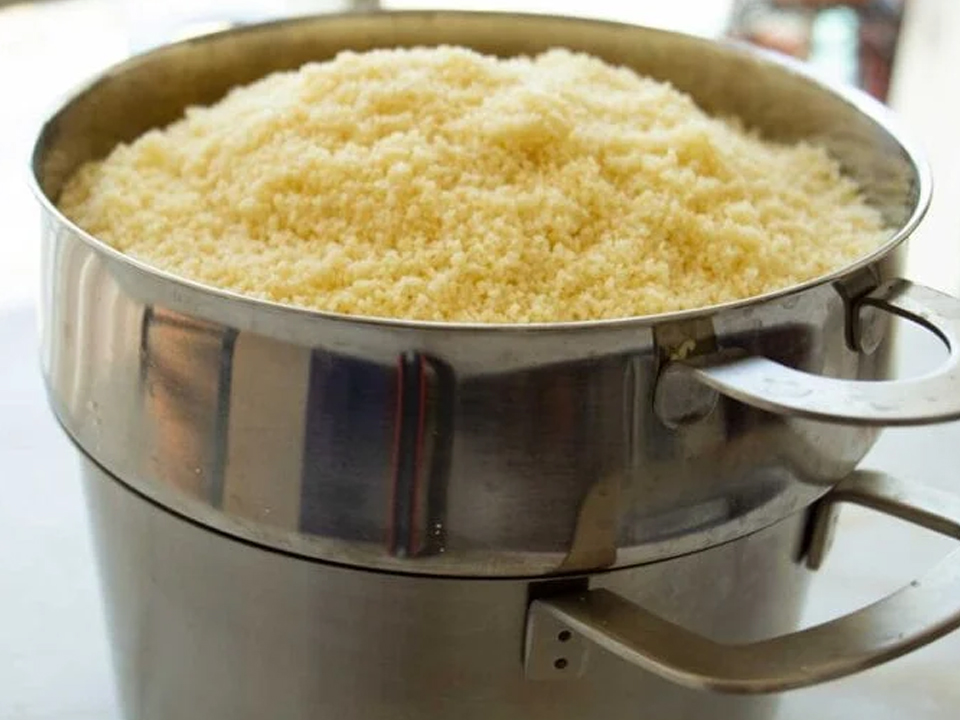
Transfer the ready grains into the cleaner insert and spread them uniformly. Prevent pressing them down right into a compact layer.
Heavy steam needs to move with the couscous rather than merely heat its external surface. A loose setup aids the granules cozy and soften more evenly.
If the insert has unusually large openings, utilize a compatible fine-mesh steaming liner created for food and high-temperature heavy steam. Do not make use of an improvisated liner that blocks steam circulation.
Step 5: Heavy Steam and Check the Texture
For standard couscous, an initial steaming duration of about 15– 20 mins is an affordable beginning point, although grain dimension, quantity, and recipe can change the timing.
For immediate couscous, comply with the package directions; several items need just a couple of mins of rehydration, with optional added steaming for texture.
Inspect the grains rather than depending specifically on the clock. Effectively hydrated couscous ought to hurt, without any unhappily difficult center, and need to divide conveniently when loosened.
If the grains continue to be strong, extra wetness might be needed before another steaming phase. If they are currently soft and sticky, including even more water is not likely to assist.
Step 6: Different the Grains Between Steaming Phases
For typical couscous, move the hot grains to a large dish or tray after the very first steaming. Allow the most extreme warm to leave, then gently break apart clumps with your fingers or a fork.
Sprinkle added water over the grains if the recipe asks for it, dispersing it progressively. Return the couscous to the steamer for an additional phase.
Conventional approaches typically make use of two or three steaming phases. This repetitive therapy assists create a more also structure, but the accurate procedure relies on the couscous and the local dish.
For precooked immediate couscous, numerous typical steaming cycles are normally unneeded.
Action 7: Complete and Serve
When the grains hurt, different them delicately and period to taste. A percentage of olive oil or butter can include splendor, while salt and a little food preparation broth can enhance taste.
Offer Moroccan-style couscous with vegetables, chickpeas, or a suitable stew. If making use of broth in the steaming procedure, maintain it below the insert rather than allowing the grains to sit directly in the liquid.
For the very best structure, offer without delay after the final steaming stage.
Couscous Steaming Time: A Practical Comparison
There is no single cooking time that puts on every item. The table listed below gives functioning estimates rather than warranties; packaging guidelines and the problem of the grains take priority.
Couscous type
Common preparation
Approximate timing
Main consideration
Standard great semolina couscous
Dampening and duplicated steaming
15– 20 minutes per steaming phase
Separate and re-moisten in between stages as called for
Instant couscous
Rehydration, with optional brief steaming
Typically 5 mins of protected rehydration
Follow the product directions
Pearl couscous
Simmering in water or broth
Typically 8– 12 mins, depending upon the item
Check package guidelines and bite for doneness
Previously cooked, cooled couscous
Mild reheating with heavy steam
Commonly 5– 10 minutes
Heat evenly without adding too much moisture
These quotes think relatively small home-kitchen quantities. Larger sets, different grain dimensions, and variants in cleaner design can alter the timing.
How to Prevent Couscous From Clumping
Clumping is among one of the most common grievances when individuals discover exactly how to prepare couscous in a cleaner. It is additionally among the simplest issues to misdiagnose.
The normal reaction is to add oil or water. Often that aids, but neither ingredient can make up for every prep work error.
Start with moisture distribution. If dry couscous is soaked unevenly, certain granules soak up way too much water while others remain underhydrated. Those wet patches bind neighboring grains together.
Stay clear of condensing the insert. A densely stuffed layer limits vapor activity and makes it harder to accomplish consistent structure throughout the set.
Break up globs at the correct time. For typical couscous, separate the grains in between steaming phases, when the prep work requires it. Use gentle motions rather than squashing the granules.
Control the warmth. A steady supply of steam is better than aggressive steaming that sends splashes right into the insert.
Do not overcook. Too much moisture and unnecessary food preparation can produce a sticky, hefty outcome. As soon as the grains are tender, more steaming might do more injury than great.
My view is that strategy should come before ingredients. Oil can aid coat the grains, but it can not accurately repair bad hydration, congestion, or excessive cooking.
Traditional Moroccan Couscous vs. Quick-Steamed Couscous
Traditional Moroccan couscous is commonly prepared as component of a bigger dish, with the grains steamed independently over a pot of simmering stew. The procedure permits the chef to manage structure while preparing the going along with veggies, meat, or broth.
Quick-steamed couscous is designed for benefit. Since lots of commercial products have actually already been partially prepared, they can be ready much faster.
Neither approach is immediately remarkable in every scenario. The conventional method uses even more control over the texture of ideal semolina couscous, while the fast approach saves time and functions well for daily meals.
The important distinction is not tradition versus convenience. It is whether the approach matches the product.
Repairing Typical Steaming Problems
Trouble
Likely create
Practical modification
Sticky or gummy grains
Excess wetness or overcooking
Stop adding water, loosen the grains carefully, and stay clear of unneeded steaming
Difficult facilities
Inadequate hydration or steaming
Include a little water uniformly and proceed food preparation if proper
Irregular appearance
Overloaded insert or uneven wetness circulation
Reduce the set dimension and spread the grains more evenly
Couscous falling through the insert
Openings also big for the grain dimension
Use a compatible food-safe steaming lining
Dry, difficult grains
Insufficient moisture or extreme steaming
Readjust hydration very carefully and shorten subsequent steaming
Dull taste
Not enough seasoning
Period the water or going along with broth properly and adjust at the end
One of the most beneficial analysis question is straightforward: are the grains underhydrated, overhydrated, or unevenly heated up? Determining the cause is a lot more efficient than continuously transforming the cooking time without a clear reason.
Cooking Equipment, Warmth Control, and Cooking Area Safety and security
A properly designed steamer needs to provide secure warm, enough area for the grains, and a cover that preserves heavy steam without making the insert tough to handle.
Stainless-steel is a practical material for several home cooking areas because it is durable and relatively very easy to maintain. When comparing items, take a look at the insert fit, takes care of, lid construction, base compatibility, and the maker’s treatment directions rather than evaluating the set by its piece count alone.
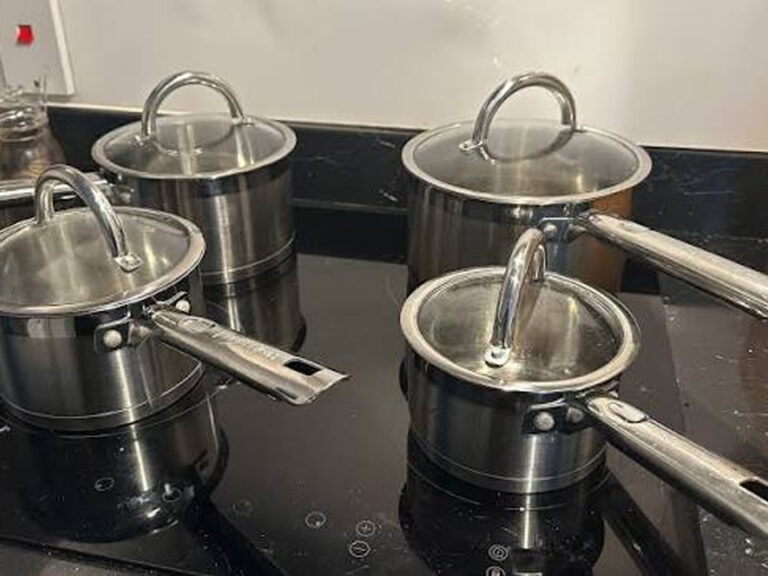
For houses preparing couscous along with sauces and veggies, an 8-piece kitchenware established with clear lids might serve as complementary kitchenware. Verify the measurements and consisted of components before treating it as a complete steaming remedy.
Security issues, as well. Steam can create burns, so raise the lid away from your face and use appropriate security when managing the insert.
Food storage space requires equivalent care. The USDA Food Safety And Security and Assessment Service encourages cooling leftovers within 2 hours, or within one hour when temperature levels surpass 90 ° F(32 ° C). Its assistance additionally advises keeping fridges at or below 40 ° F( 4 ° C)and utilizing most cooked leftovers within three to 4 days. These regulations relate to prepared couscous and accompanying meals as appropriate; great structure is no factor to endanger secure storage space.
The Centers for Condition Control and Avoidance’s food-safety support, upgraded in 2024 for preventing Clostridium perfringens illness, similarly stresses maintaining cooked food at 140 ° F( 60 ° C)or hotter for hot holding, or refrigerating it immediately at 40 ° F (4 ° C) or colder. These temperatures problem secure holding and storage, not a special temperature level demand for steaming couscous.
Regularly Asked Concerns
How much time does it require to heavy steam couscous in a steamer pot?
Steaming time relies on the type of couscous, its dimension, and whether it has actually currently been partly prepared. Traditional great semolina couscous might require about 15– 20 mins per steaming phase, whereas immediate couscous normally requires just quick rehydration or optional steaming according to its bundle instructions.
Can you steam immediate couscous instead of pouring boiling water over it?
Yes, immediate couscous can be steamed, although it is normally created for fast rehydration rather than traditional repetitive steaming. Follow the package instructions initially, then utilize a short added steaming duration just if required to improve the structure without making the grains excessively soft or sticky.
Why does my fit to be tied couscous become sticky?
Sticky couscous is a structure trouble usually related to too much dampness, unequal hydration, congestion, or overcooking. To boost splitting up, distribute water slowly, stay clear of compressing the grains in the cleaner insert, and loosen up traditional couscous between steaming phases when the recipe calls for it.
Should I include oil prior to steaming couscous?
Oil is optional when preparing couscous and should not be treated as an alternative for appropriate hydration. A percentage might help coat the grains and add taste, however too much moisture, insufficient separation, or prolonged steaming can still produce a sticky result also when oil is utilized.
What is the standard Moroccan couscous steaming approach?
The conventional Moroccan couscous steaming approach uses a couscoussier, with couscous kept in a perforated top area over simmering liquid. Depending on the dish and grain type, the grains are moistened, steamed in phases, divided in between phases, and offered with vegetables or stew prepared in the pot listed below.
Can I utilize a regular stainless steel pot to steam couscous?
A common stainless steel pot can serve as the reduced area of a couscous steamer if a compatible perforated insert fits safely above the water. Nonetheless, a standard saucepan without an appropriate insert can not provide the very same setup, so check the pots and pans dimensions and included devices before beginning.
How can I tell when steamed couscous prepares?
Fit to be tied couscous prepares when the grains hurt throughout and different conveniently without a hard, milky facility. Examine a small sample as opposed to relying just on a timer, because various items take in moisture at different rates and conventional couscous may need numerous steaming phases.
Can I prepare couscous beforehand?
Yes, couscous can be prepared ahead and reheated carefully, supplied it is cooled and kept safely. Refrigerate prepared couscous within 2 hours, utilize shallow containers to help it awesome rapidly, and consume most cooled leftovers within 3 to 4 days, following relevant food-safety support.
Final Thoughts: Consistency Comes From Strategy
Effectively steaming couscous is not made complex, but it rewards attention to information. The best results originate from matching the cooking method to the grain, dispersing dampness uniformly, maintaining consistent steam, and quiting when the structure is right.
If you are picking pots and pans for routine couscous prep work, focus on a suitable perforated insert, trusted warm control, sufficient ability, and long lasting building. A broad pots and pans collection can sustain the remainder of the dish, however the steamer itself have to appropriate for the job.
Begin with a small set, observe exactly how the grains respond, and readjust one variable at a time. That technique is a lot more dependable than thoughtlessly expanding the cooking time or including additional water.
All set to boost your following batch? Select the best couscous, prepare your steamer pot very carefully, and use the actions over to generate tender, well-separated grains for Moroccan meals, veggie meals, and everyday cooking.