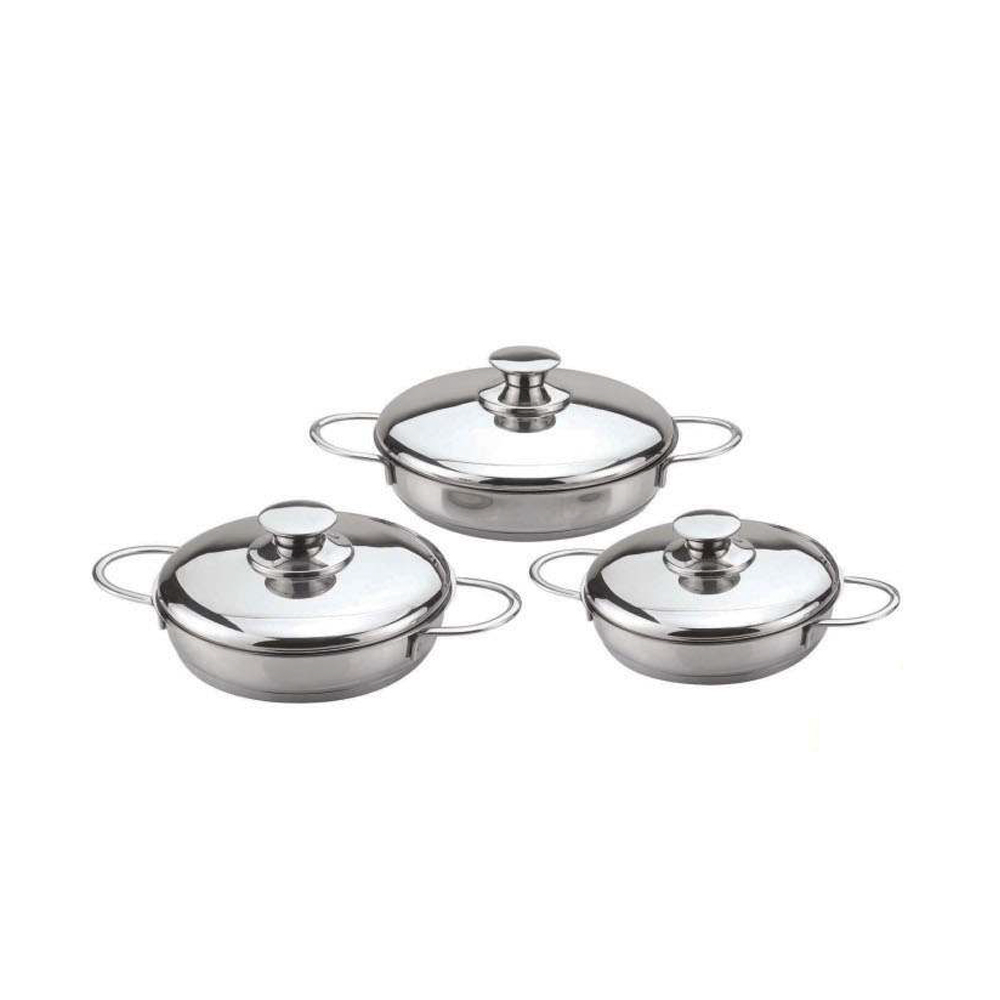
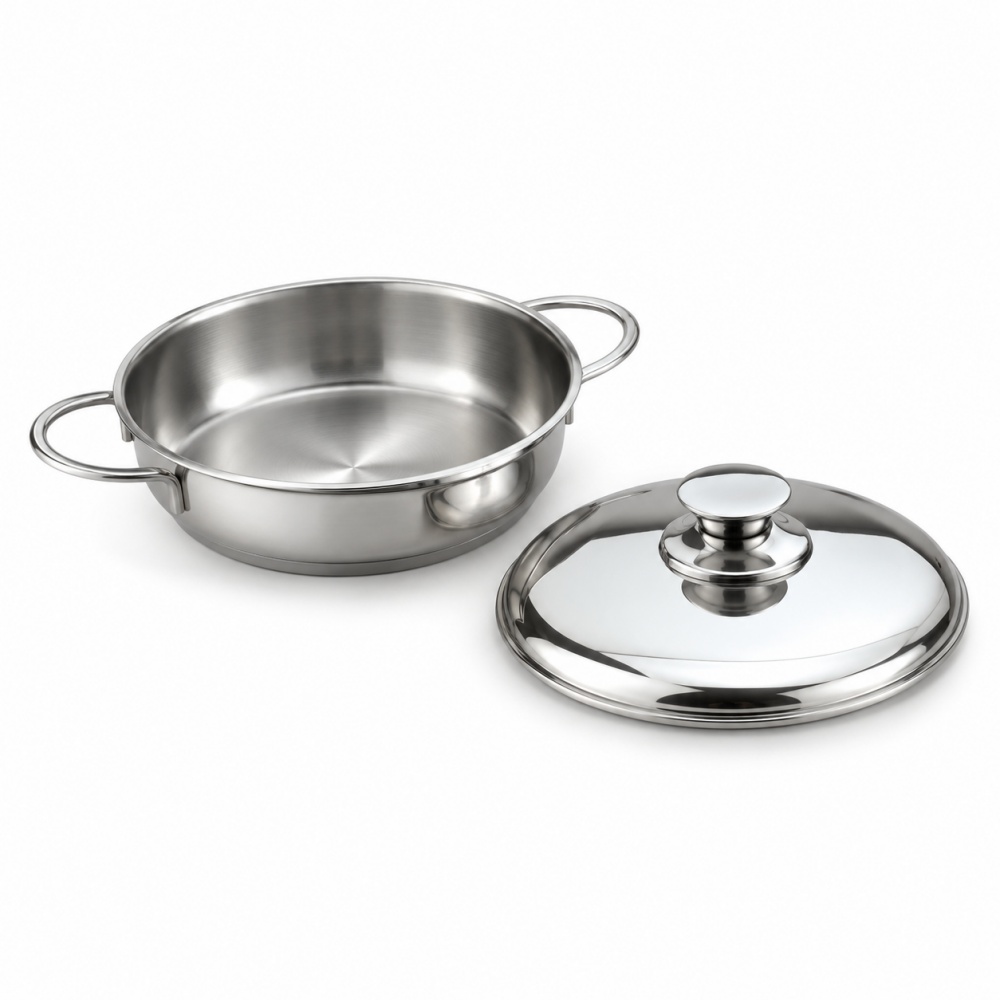
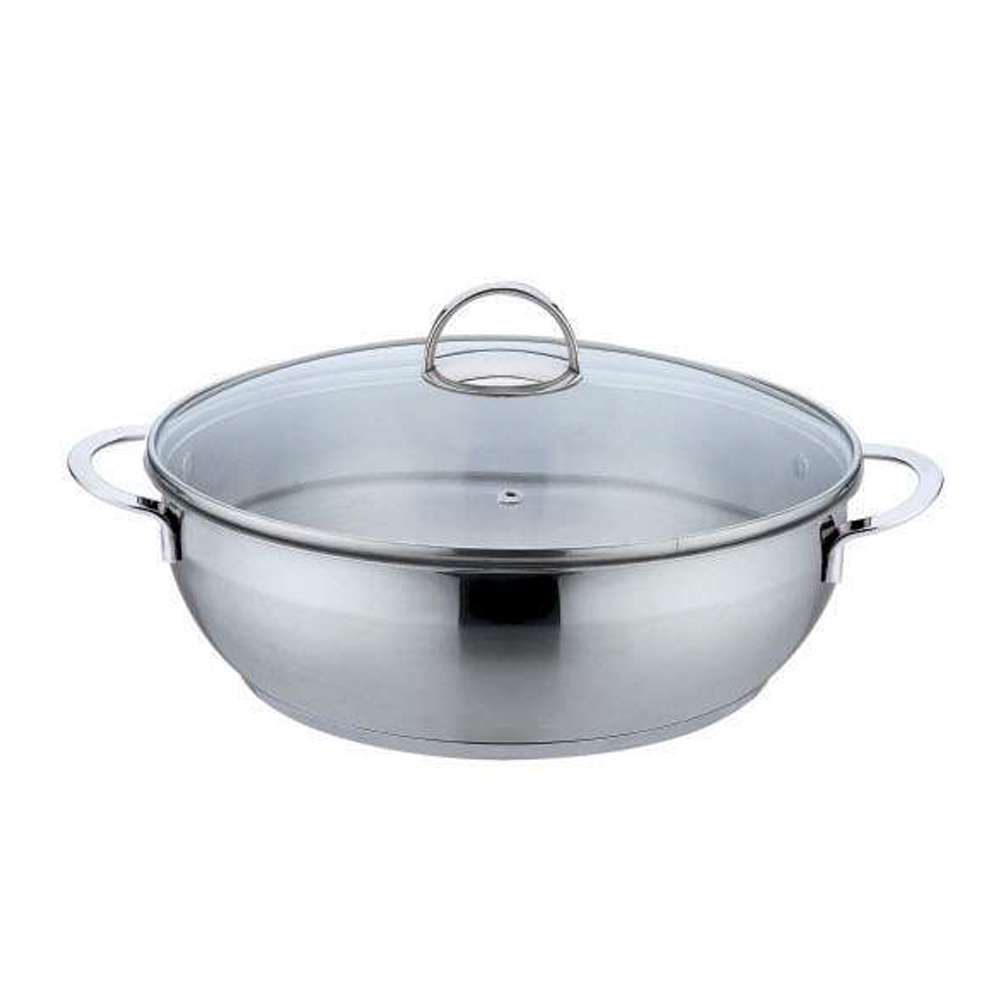
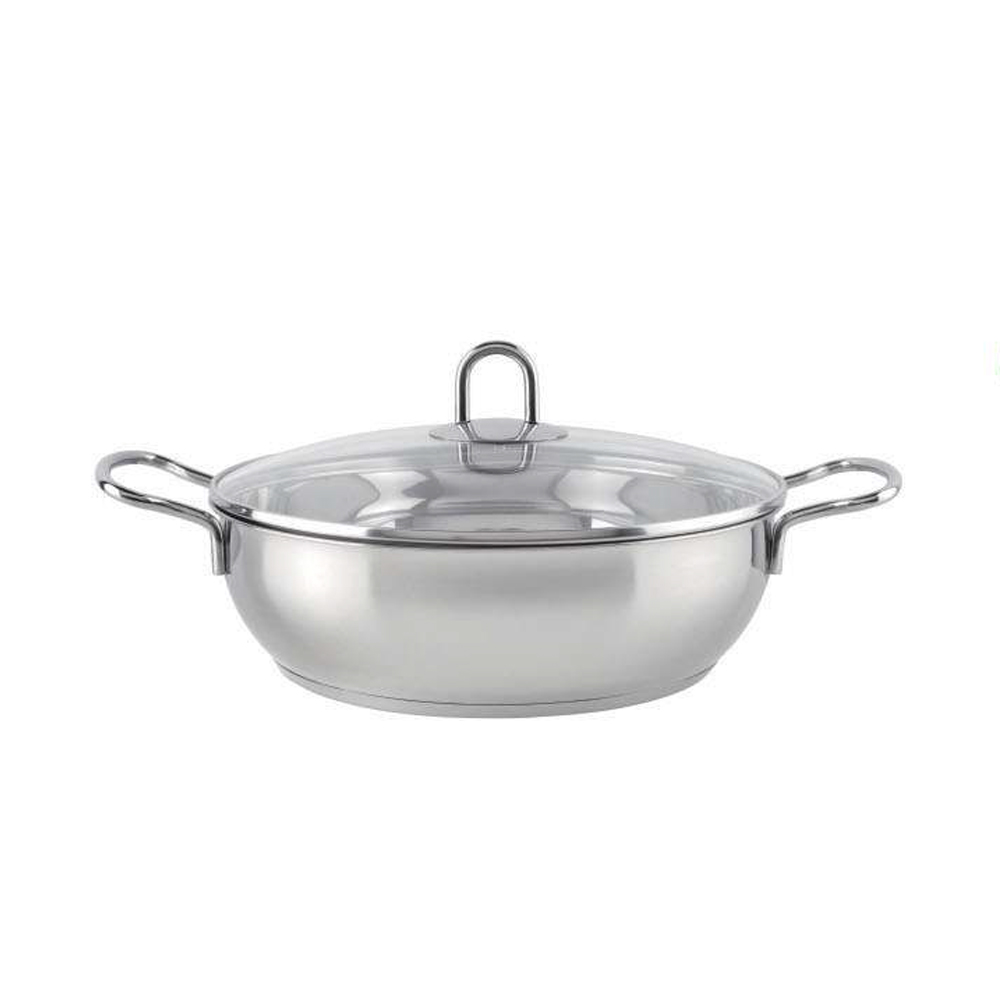
Casseroles & Stockpots for Everyday and Big-Batch Cooking

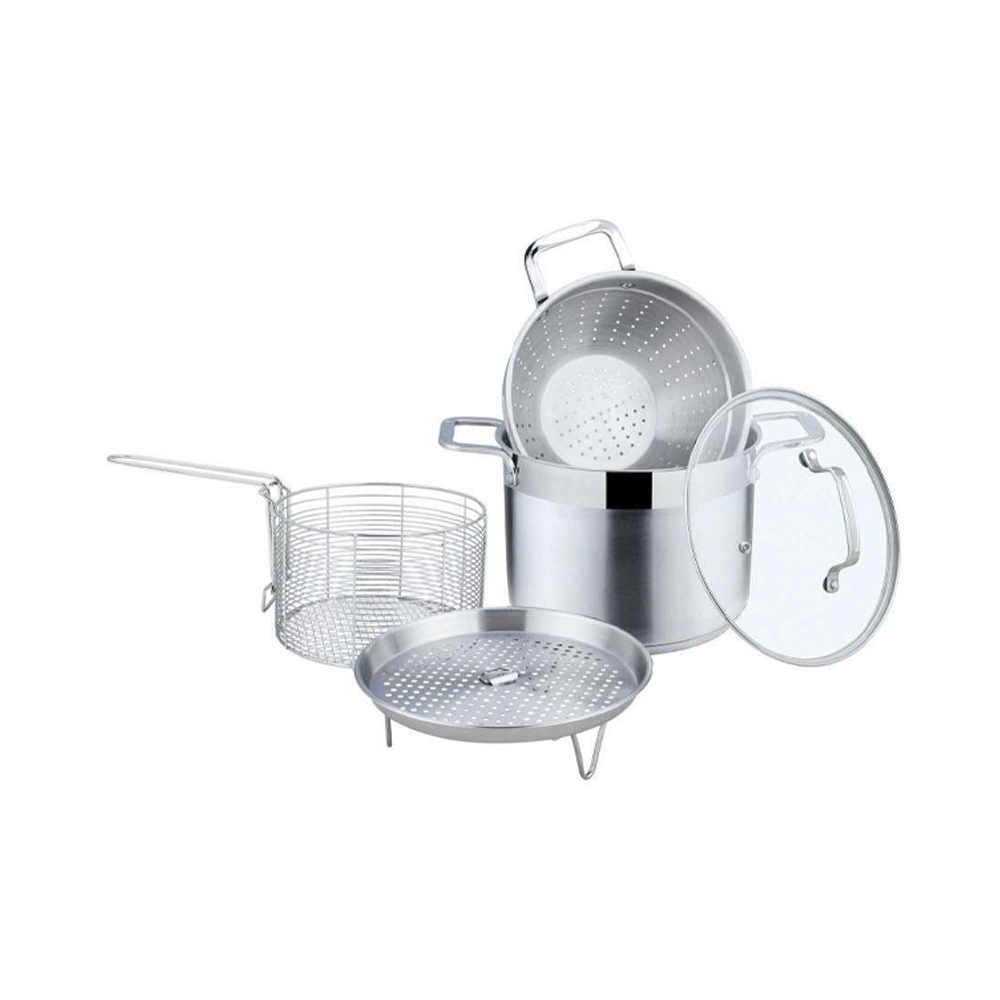
Choose cookware around the meals you love, from a weeknight stew to soup for the freezer. A Dutch oven-style casserole suits slow cooking and braising, while a stockpot suits larger volumes of liquid. Compare shape, material, capacity, and handling to find a covered pot that works for your recipes and kitchen.

Explore Casseroles & Stockpots

Start with your most frequent cooking task. Choose a casserole for covered cooking with room to brown ingredients; choose a stockpot when liquid capacity is your priority.

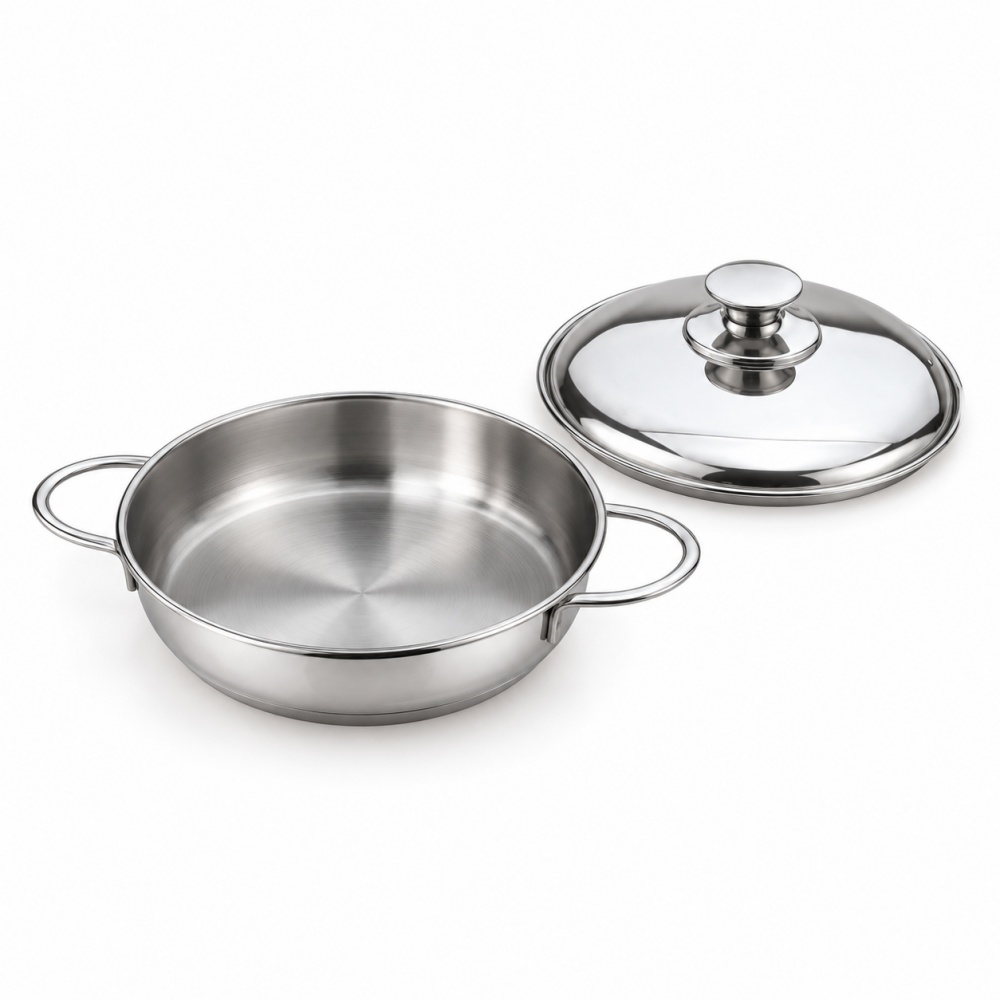
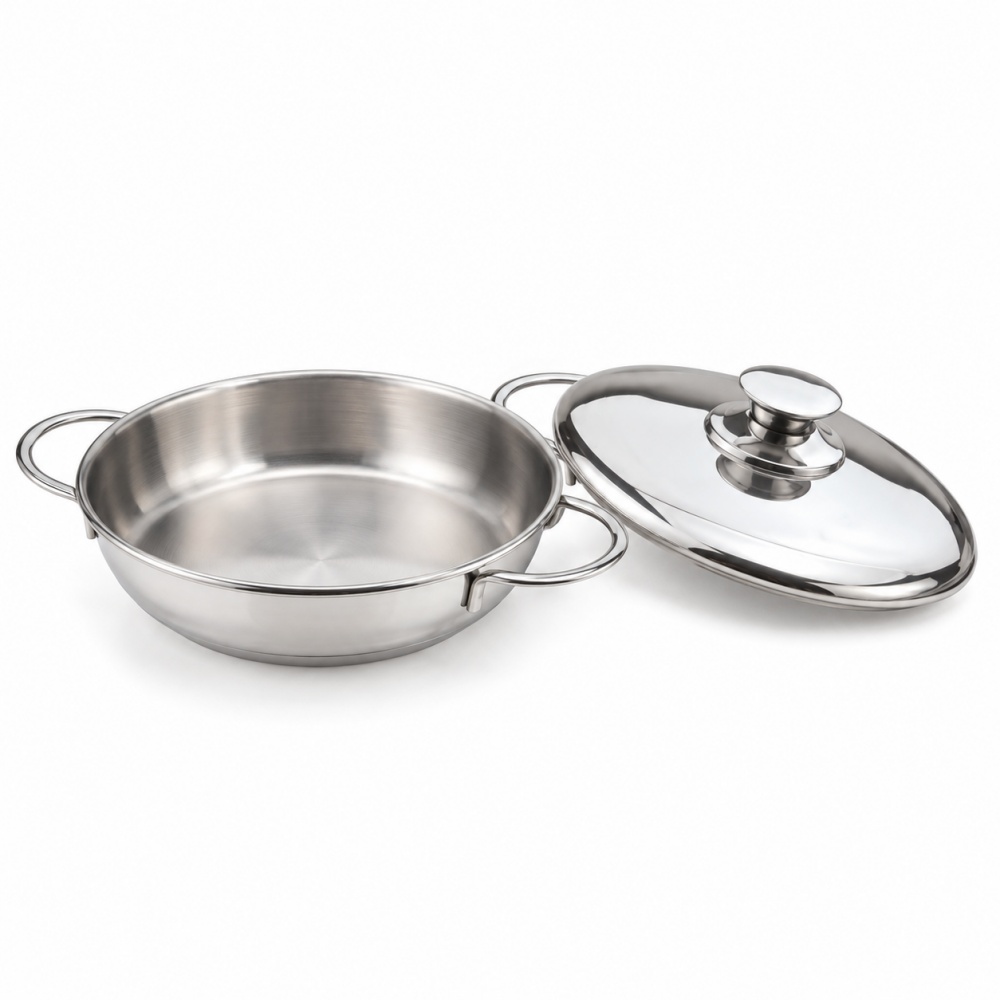
  • Shop Casseroles: Explore covered vessels for stews, braises, and oven meals, checking each design’s intended use.
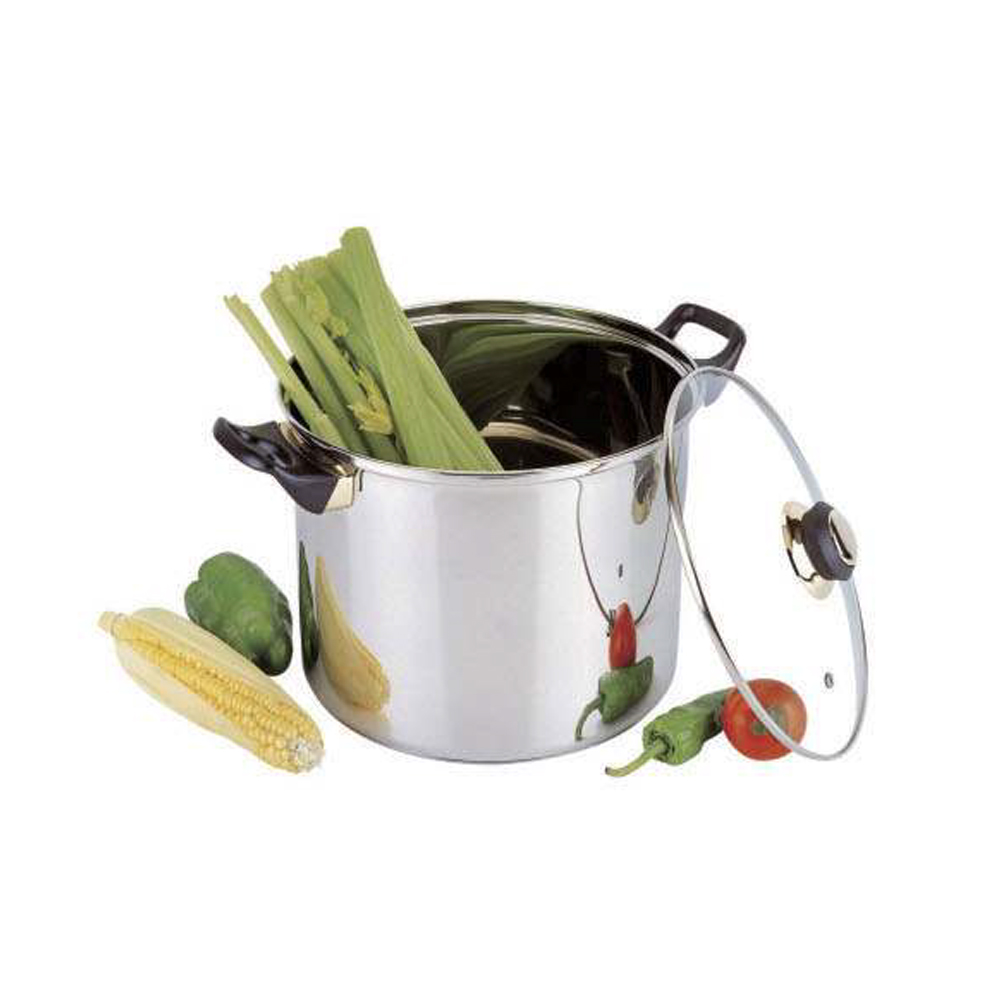
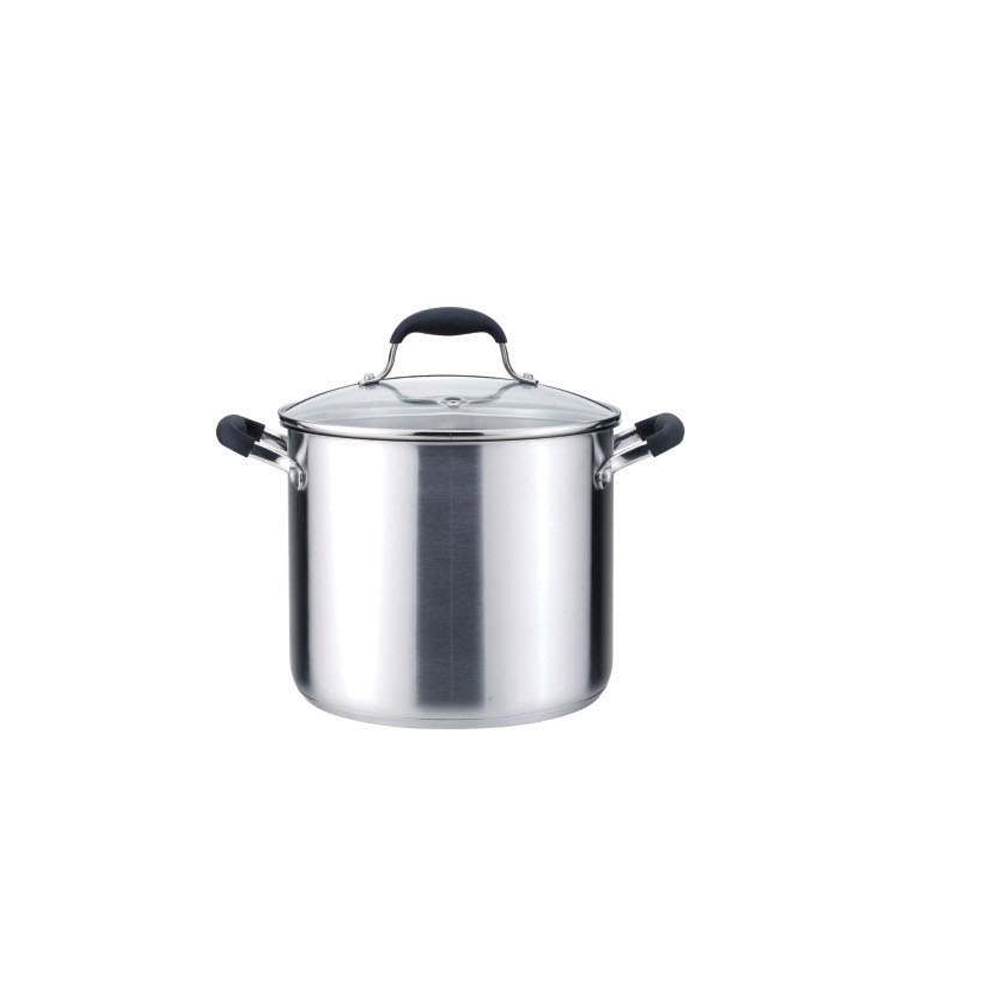
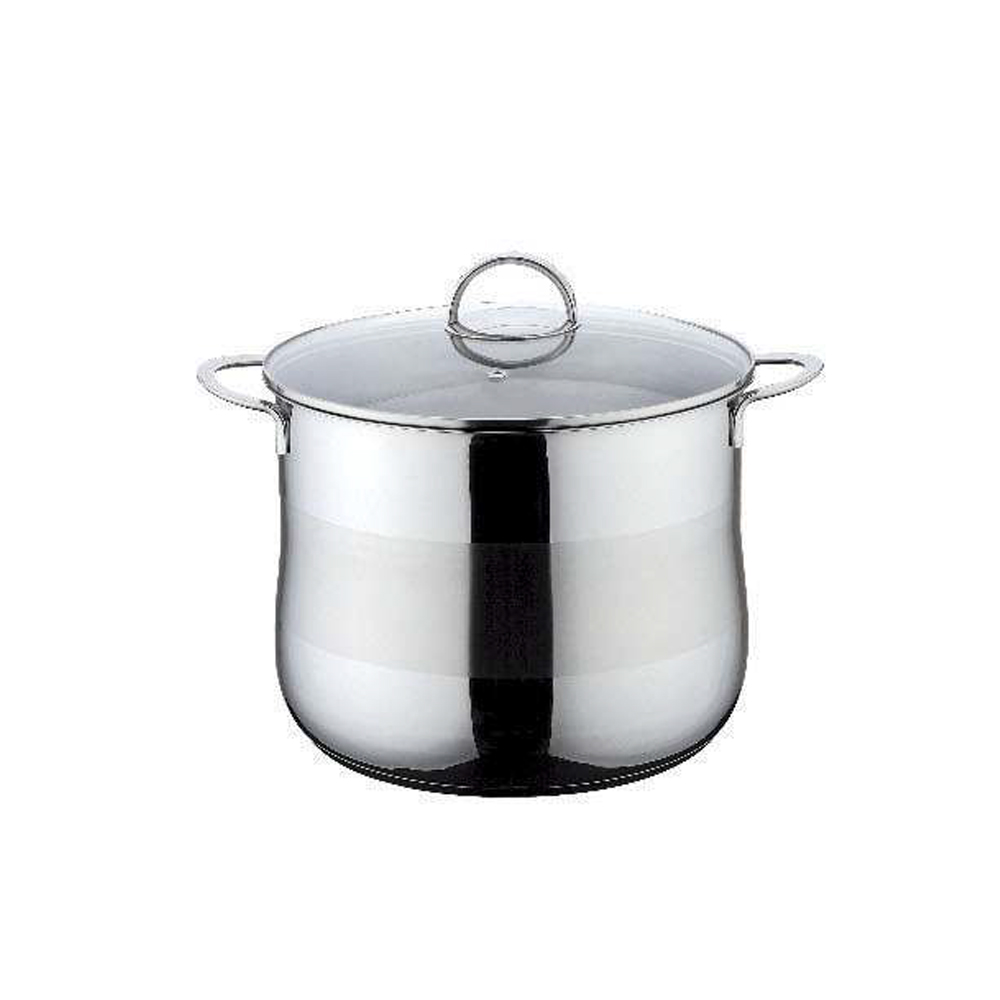
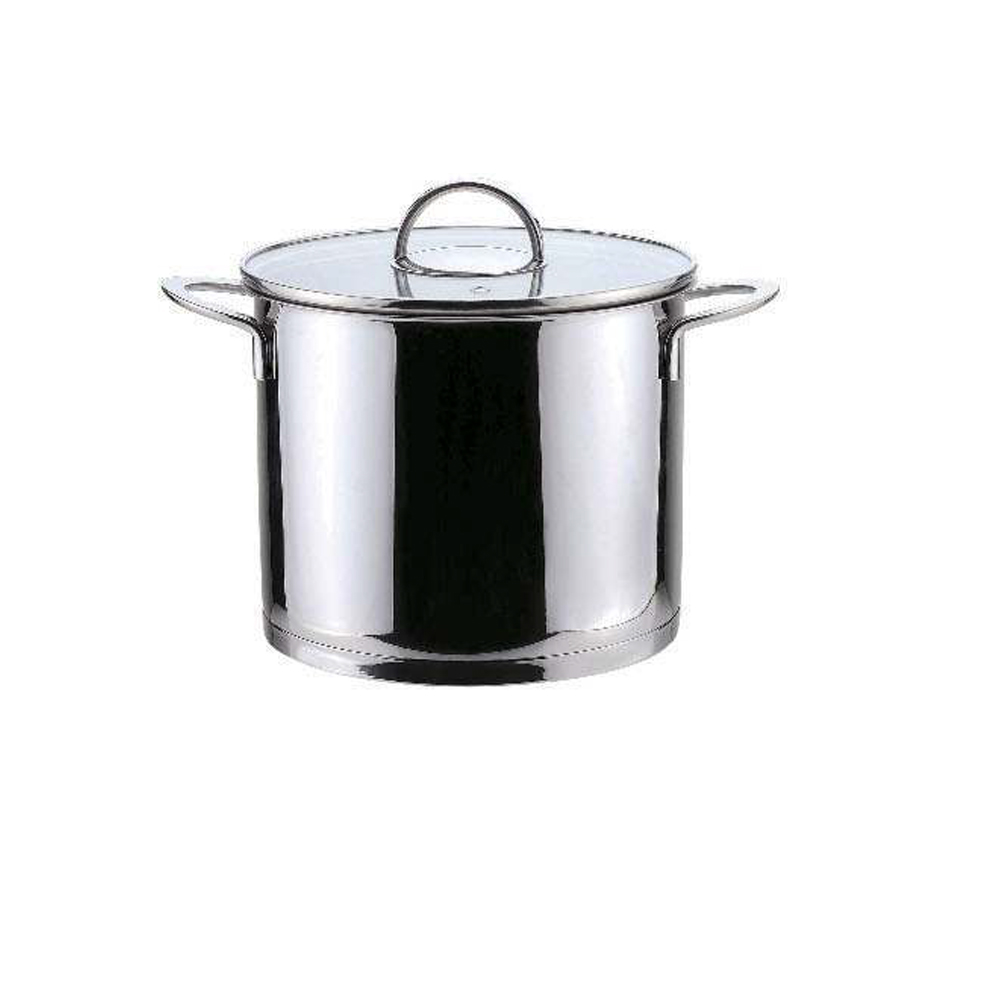
  • Shop Stockpots: Browse pots for broth, soup, pasta, and larger batches, comparing dimensions as well as capacity.

Wholesale Casseroles & Stockpots

Explore our collection of casseroles, stew pots, and stockpots with lids for wholesale sourcing. Compare shallow and deep designs, sizes, and lid options to find cookware that fits your product range and customers’ cooking needs.

What Is the Difference Between a Casserole and a Stock Pot?

Here, a casserole means a covered cooking vessel; some casserole pots are Dutch ovens, but the names are not universally interchangeable. A stock pot generally has higher sides and substantial liquid capacity.

Feature Casserole Stockpot
Typical shape Often wider and shallower Usually taller, with high sides
Common materials Enameled cast iron, stainless steel, or ceramic Stainless steel or aluminum
Cooking strengths Braising, stews, covered oven meals Stocks, broths, soup, pasta
Oven use Check every component’s stated limits Depends on construction and stated limits

Which Casserole Is Right for Slow Cooking and Oven Meals?

A Dutch oven-style casserole with substantial walls and a close-fitting lid is a useful choice for braising, stew, and pot roasts. Heat retention helps maintain steady cooking, while a wider cooking surface gives ingredients more room for browning.

Choose dimensions that accommodate your usual recipes. Suitable bread recipes may also use a Dutch oven, provided the vessel and every component meet the required oven temperature and preheating instructions. Ceramic casserole dishes are not automatically suitable for stovetop use.

How Do You Choose a Stockpot for Soup, Stock, and Pasta?

Choose a stockpot with enough liquid capacity, manageable weight, and dimensions that suit your cooktop. High sides accommodate broth ingredients and pasta water; leave headroom for stirring and bubbling.

The best stock pot fits your cooking needs and storage space. Check that its handles offer a secure grip and its lid fits properly. Consider how you will lift and drain it when full. An ordinary stockpot is not a substitute for a pressure canner or suitable for every canning method.

Which Cookware Material Suits Your Kitchen?

The right material depends on how you cook and how much weight you can comfortably handle.

  • Stainless steel: A durable cooking surface. Stainless steel cookware may include an aluminum or copper core or base to improve heat distribution; compare construction details.
  • Enameled cast iron: Useful heat retention for sustained cooking, with substantial weight. Enamel is not automatically a nonstick surface.
  • Aluminum: Generally lighter than cast iron and conducts heat well. Check the cooking surface, care instructions, and cooktop compatibility for each product.

What Pot Capacity and Handle Design Should You Choose?

Choose capacity around your usual batch, allowing headroom and considering the weight of food plus cookware. Illustrative shopping ranges include 4–7 qt casseroles and 8–20+ qt stockpots; these are neither universal standards nor confirmed inventory.

A 6 quart casserole, for example, may suit your usual stew recipe, but check its usable space and dimensions. Pot diameter affects burner fit and browning area. Handle clearance, a comfortable grip with oven mitts, lid fit, and cupboard space all matter.

Are Casseroles and Stockpots Oven-Safe and Induction-Compatible?

Suitability depends on the specific product. The vessel, lid, handles, and knob may have different heat limits; follow the lowest applicable limit for the assembled cookware.

Check manufacturer guidance for induction cooktops, oven use, dishwasher cleaning, and care before buying. Do not assume compatibility from appearance or material alone. For more selection advice, read the casserole and stockpot buying guide.

Casseroles & Stockpots: Frequently Asked Questions

Find answers to common questions about casseroles and stockpots, from choosing the right size and lid to checking cooktop compatibility and caring for your cookware.

Yes, if the casserole is approved for your cooking method and has enough capacity. Leave room for stirring and bubbling, and choose a larger stockpot when your recipe needs more liquid space.

It can handle some overlapping tasks, including soup and stew. For braising or baking, compare cooking-surface width, heat retention, lid fit, and manufacturer instructions before using it in a Dutch oven recipe.

Check capacity, overall dimensions, filled weight, handle grip, and lid fit. Confirm cooktop compatibility and any oven limits, then make sure you have space to store and wash the pot comfortably.

Follow the manufacturer’s instructions for the material and finish. Let cookware cool before washing, use recommended cleaning tools, and check dishwasher guidance rather than assuming every pot or lid is dishwasher safe.